[ad_1]
Hong Kong’s virtual lender ZA Bank is embracing
digital finance by engaging potential stablecoin issuers to establish fiat
reserve accounts. This initiative marks a significant step towards integrating digital assets into the traditional banking sector in Hong Kong as the country explores listing crypto exchange-traded funds (ETFs) to enhance its presence in the sector.
According to a report by Bloomberg, ZA Bank’s
Alternate Chief Executive, Devon Sin, disclosed in a recent interview about the
bank’s initiative to engage with existing and prospective stablecoin
issuers. Sin emphasized the versatility of stablecoins,
highlighting their potential applications in wholesale and retail markets,
tokenization , exchange trading settlements, and cross-border remittances.
He expressed ZA Bank’s interest in exploring use cases for stablecoins with potential issuers under the supervision of the Hong Kong Monetary Authority. Hong Kong aims to position itself as a digital asset
hub. The city has taken significant strides in regulating the crypto sector,
licensing its first crypto trading platforms, and exploring the listing of
ETFs.
Hong Kong’s ZA Bank is talking to potential stablecoin issuers about setting up accounts for the cash reserves that would back the tokens https://t.co/FDWyd3kr5s
— Bloomberg (@business) April 4, 2024
Additionally, the Hong Kong Monetary Authority is in
the process of formulating a regulatory framework for stablecoins, which
typically maintain a 1-1 peg to fiat currency and are backed by
cash and bond reserves. ZA Bank has reportedly facilitated over $1 billion in
transfers from more than 100 Web 3 clients.
Hong Kong Regulates Stablecoin Issuers
Last year, Hong Kong introduced new regulations for
stablecoin issuers. The proposed rules, outlined in a consultation paper by the
Financial Services and the Treasury Bureau and the Hong Kong Monetary
Authority, marked a significant move towards ensuring stability and security
within the digital asset ecosystem, Finance Magnates reported.
The consultation paper defined stablecoins as digital
assets pegged to one or more fiat currencies, aiming to maintain a stable
value. Under the proposed rules, stablecoin issuers actively marketing
their fiat-referenced stablecoins to users in Hong Kong must obtain a local
license.
Notably, algorithmic stablecoins are not permitted in the region, a decision influenced by the collapse of the algorithmic stablecoin TerraUSD. To obtain a license in Hong Kong, stablecoin issuers must adhere to
stringent requirements.
They must maintain a full reserve of assets backing the stablecoins, ensuring they are at least equal to the par value. These reserves
must be segregated, and securely stored, and regularly reported to regulators. Additionally, stablecoin issuers must establish a local presence by appointing key personnel, including a Chief Executive Officer and senior management team.
Hong Kong’s virtual lender ZA Bank is embracing
digital finance by engaging potential stablecoin issuers to establish fiat
reserve accounts. This initiative marks a significant step towards integrating digital assets into the traditional banking sector in Hong Kong as the country explores listing crypto exchange-traded funds (ETFs) to enhance its presence in the sector.
According to a report by Bloomberg, ZA Bank’s
Alternate Chief Executive, Devon Sin, disclosed in a recent interview about the
bank’s initiative to engage with existing and prospective stablecoin
issuers. Sin emphasized the versatility of stablecoins,
highlighting their potential applications in wholesale and retail markets,
tokenization , exchange trading settlements, and cross-border remittances.
He expressed ZA Bank’s interest in exploring use cases for stablecoins with potential issuers under the supervision of the Hong Kong Monetary Authority. Hong Kong aims to position itself as a digital asset
hub. The city has taken significant strides in regulating the crypto sector,
licensing its first crypto trading platforms, and exploring the listing of
ETFs.
Hong Kong’s ZA Bank is talking to potential stablecoin issuers about setting up accounts for the cash reserves that would back the tokens https://t.co/FDWyd3kr5s
— Bloomberg (@business) April 4, 2024
Additionally, the Hong Kong Monetary Authority is in
the process of formulating a regulatory framework for stablecoins, which
typically maintain a 1-1 peg to fiat currency and are backed by
cash and bond reserves. ZA Bank has reportedly facilitated over $1 billion in
transfers from more than 100 Web 3 clients.
Hong Kong Regulates Stablecoin Issuers
Last year, Hong Kong introduced new regulations for
stablecoin issuers. The proposed rules, outlined in a consultation paper by the
Financial Services and the Treasury Bureau and the Hong Kong Monetary
Authority, marked a significant move towards ensuring stability and security
within the digital asset ecosystem, Finance Magnates reported.
The consultation paper defined stablecoins as digital
assets pegged to one or more fiat currencies, aiming to maintain a stable
value. Under the proposed rules, stablecoin issuers actively marketing
their fiat-referenced stablecoins to users in Hong Kong must obtain a local
license.
Notably, algorithmic stablecoins are not permitted in the region, a decision influenced by the collapse of the algorithmic stablecoin TerraUSD. To obtain a license in Hong Kong, stablecoin issuers must adhere to
stringent requirements.
They must maintain a full reserve of assets backing the stablecoins, ensuring they are at least equal to the par value. These reserves
must be segregated, and securely stored, and regularly reported to regulators. Additionally, stablecoin issuers must establish a local presence by appointing key personnel, including a Chief Executive Officer and senior management team.
[ad_2]
Source link

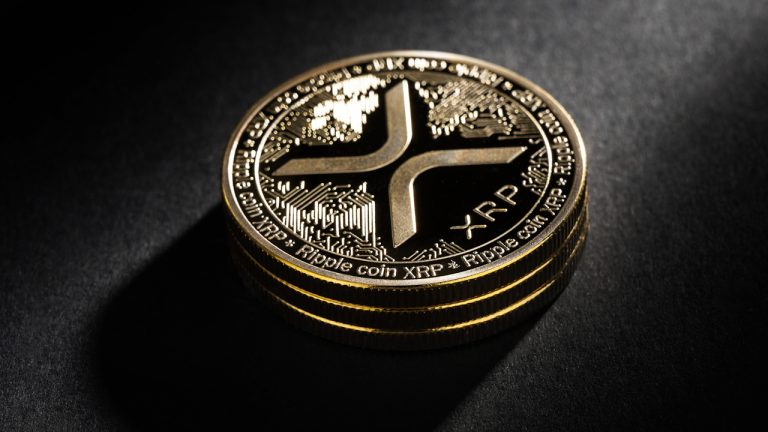 Blockchain solutions company Ripple has unveiled its strategy to launch a stablecoin pegged to the U.S. dollar, aiming to boost liquidity on the XRP Ledger. Ripple Set to Introduce U.S. Dollar-Linked Stablecoin, Aiming for Wider Crypto Adoption In a statement released on Thursday, Ripple revealed its intention to introduce a stablecoin token linked to the […]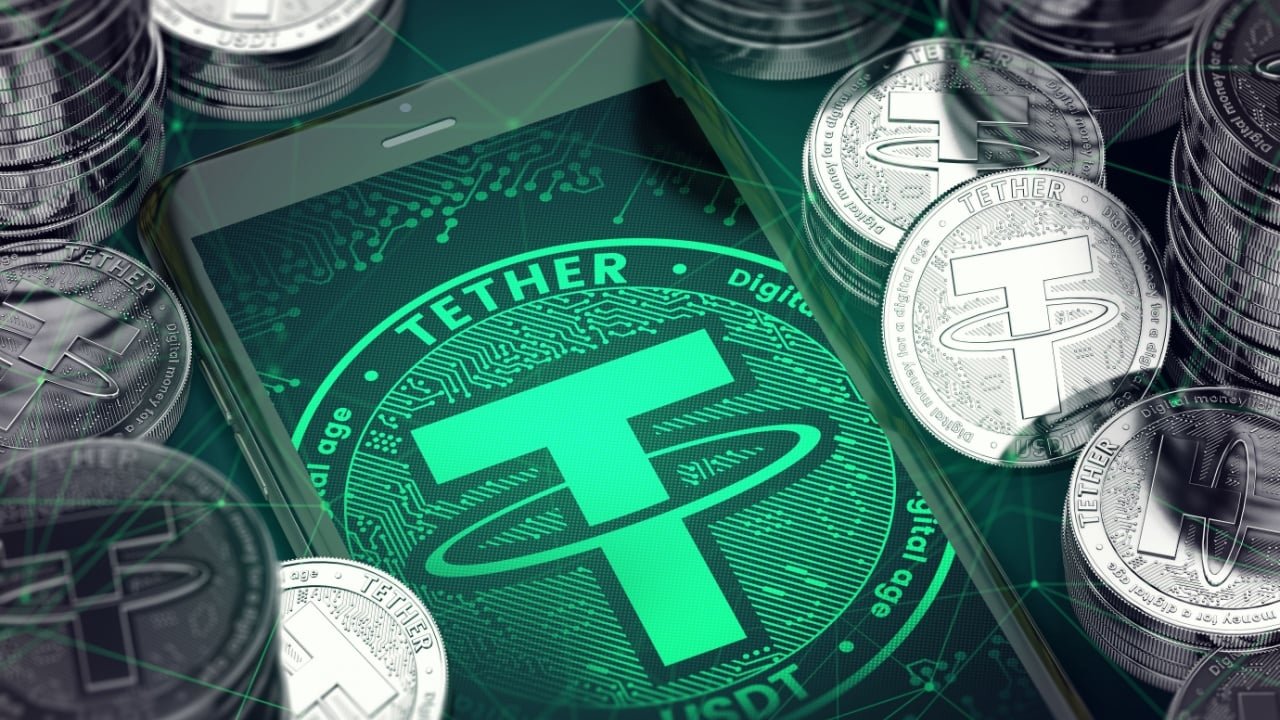
 Tether, the USDT stablecoin issuer, announced on April 1 that it had completed the System and Organization Controls (SOC) 2 Type 1 Audit, the highest level of security compliance achievable. Tether stated that the audit’s completion demonstrates the robust information technology control measures it has in place, ensuring the safety of its systems. Gold Standard […]