In the past, earning money through games was only possible by uploading gaming videos online, streaming game content and playing competitively through esports. But in 2021, many realized that through blockchain, gamers can earn money simply by playing.
This trend may continue in 2022 as play-to-earn (P2E) business models become more developed and blockchain adoption in esports becomes more mainstream. In a report published by gaming insight company Newzoo, the firm predicts that P2E models will become more viable in 2022 as gaming companies try to adopt blockchain.
“Publishers might use blockchain technology to facilitate more secure and legitimized player-to-player trading within a centralized game environment.”
Additionally, the need to diversify earning streams may lead esports organizations to turn to blockchain-based earning mechanisms by utilizing nonfungible tokens. Because of this, new esports business models involving blockchain are starting to emerge and will have more developments in 2022 according to Newzoo.
Apart from these, the report shows that metaverse-related games may also become more prevalent as younger players continue to frequent existing “proto-metaverse” games like Roblox, Fortnite and Minecraft.
Games are playing a key role in shaping the #metaverse. But who are the #metaverse players?
We zoomed in on people who play proto-metaverse games like #Roblox, #Fortnite, and #Minecraft to find out. ️♂️
Newzoo also predicts that “the brand gold rush for virtual real estate is only just beginning.” As companies continue to see the potential opportunities within metaverse games, more investments may flow to virtual real estate.
Related: Warner Music Group announces partnership with blockchain gaming developer Splinterlands
At the moment, Pokemon-inspired Axie Infinity continues to be at the top of the blockchain gaming ecosystem. However, Cointelegraph experts note that games like DeFi Kingdoms, Crabada or Yield Hunt have the potential to eventually replace Axie Infinity and take the top spot within the blockchain gaming industry.
Meanwhile, apart from playing games, the blockchain gaming community has also taken steps to give back to those in need by donating to charitable causes. Back in 2021, the community raised $1.4 million to help victims of a typhoon.
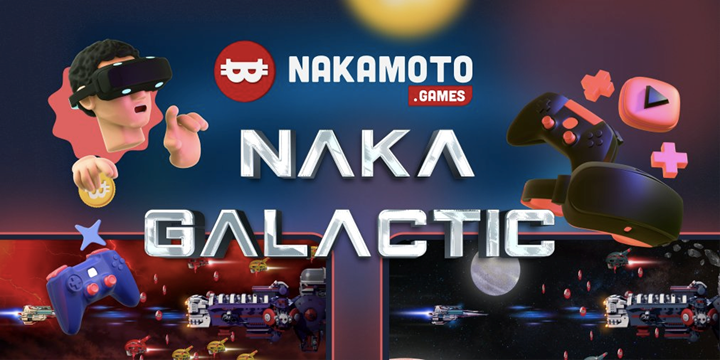
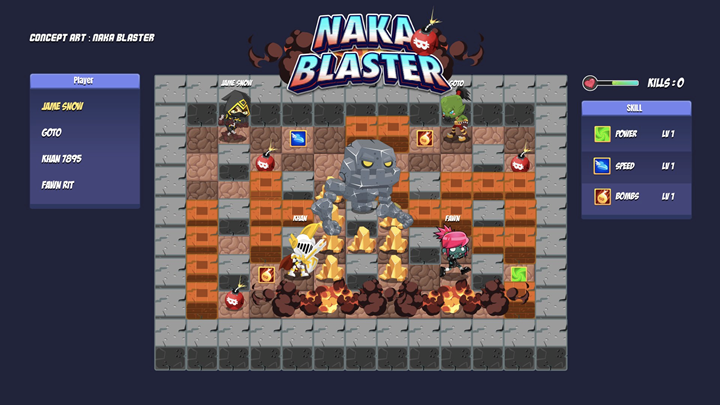
Play-to-earn games are seeing drastic improvements with the release of three new titles by Nakamoto Games. The developer already released the immersive NAKA Galactic, a space-themed action game, and Naka Blaster, its first multiplayer interactive shooting game that is currently its most popular title.
Nakamoto Games will follow their success with its first 3D game, Escape, in Q1 2022. It’s the most ambitious release to date with the inclusion of advanced computer graphics and fully-featured game mechanics and multiplayer features aside from the traditional play-to-earn in-game dynamics that have taken the gaming world by storm. Escape will be one of the first AAA games to be released in the Web3 gaming space.
Nakamoto Games CEO Tor shared the team’s excitement about the new releases: “Our team constantly strives to push hard and deliver high-quality games to our passionate user base. We are thrilled about the upcoming release of Escape and are proud of the release of Naka Galactic and Naka Blaster and we look forward to hearing from the community about these titles.”
The team at Nakamoto Games is also enabling a fast-growing suite of Web3 games that provides players with gameplay experiences at the level of traditional titles. The release of new titles such as Naka Galactic, Naka Blaster, and Escape, as well as already successful ones like Duck Hunter, NAKA Runner, NAKA DUI, and Alien Apocalypse, are part of Nakamoto Games’ plan to build what it calls the NAKAVERSE.
The ambitious plan consists of a gaming ecosystem with its own economy powered by NAKA tokens. These will be used across games to purchase NFTs that represent digital land and game items as well as to have the ability to customize elements in the NAKAVERSE.
Nakamoto Games aims to become a solution that enables other game developers to thrive. It has chosen to build on the Polygon scaling solution for Ethereum to guarantee the scalability, security, and cost-effectiveness of these releases. In this way, Nakamoto Games seeks to provide independent game developers with the necessary infrastructure to build a gaming ecosystem that makes the most of Web3’s advantages. Eventually this will lead to a healthier industry with democratized earnings and improved monetization.
$RAIN is the token behind Rainmaker Games, a platform dedicated to helping users all around the world engage in play-to-earn games in the most seamless way possible. 25 million rain tokens are currently sitting in the reserve. Those tokens are the ones that went unsold during the project’s fair token launch that took place via Copper Launch last month.
That reserve is how users are going to get paid for staking their tokens and supporting the project. But just because it’s starting out with 25 million tokens, doesn’t mean it’s going to stay that way. The project might increase the amount of $RAIN tokens available and staking pools as tokens begin to vest and get unlocked through the Community Incentives reserve.
Rainmaker Games is going to make it much easier for gamers to earn revenue while playing games and interacting with each other, and with staking now live, it’s going to reward even those that aren’t playing games but are clearly dedicated to supporting the platform.
It’s time to learn more about the $RAIN token, how to stake $RAIN tokens, and what the potential payout is for users.
The Two Staking Options That Put More $RAIN In User’s Wallets
Rainmaker Games is giving users two simple ways to stake $RAIN tokens: single-side staking and liquidity pool (LP) staking.
Earning $RAIN with Single-side Staking
In single-side staking, users simply deposit $RAIN directly into the staking pool and earn rewards. The pool pays out 20% of the total daily rewards provided by the staking reserve. Users don’t have to do anything else to get that 20%.
The other option is to stake through liquidity pools.
LP Staking $RAIN Tokens
Rainmaker Games is using Uniswap V2 for its liquidity pools. Users can deposit RAIN-ETH Uniswap LP tokens after adding liquidity to the exchange. Anybody using a different version of Uniswap (V1 or V3) will not receive staking rewards, so be sure to use V2. This pool receives 80% of the staking rewards paid out by the Community Incentives reserve.
Staking Bonuses for Making It $RAIN Even More
Rainmaker Games’ staking initiative provides users with a linear bonus structure that multiplies the number of token rewards for stakers that lock in their tokens for a set period of time. The longer tokens are staked for, the greater the bonus.
Here’s a quick look at the bonus reward formula:
1 (standard weight) + The Amount of Weeks locked/52 weeks = The Time Waited Ratio Being Used
Here’s a quick breakdown of the results the bonuses can yield for users:
No bonus— staker does not want to lock their tokens
25x bonus— staker locks their tokens for a period of 13 weeks
5x bonus— staker locks their tokens for a period of 26 weeks
75x bonus— staker locks their tokens for a period of 37 weeks
2x bonus— staker locks their tokens for a period of 52 weeks
Instructions for Staking $RAIN
The first step to staking $RAIN is to simply log onto the project’s staking portal. Users then connect their MetaMask wallet by clicking the Connect button in the right-hand corner of the page. Support for other wallets is coming soon.
The next step is to select the desired staking pool (make sure you’re using Uniswap V2). Before clicking the Stake button, users can take a look at the specific details of the pool selected. Clicking the Stake button leads to another screen where the user can choose either flexible or locked-in options for their staking. Locking in means earning greater rewards in exchange for giving up flexibility.
The Rainmaker Games blog offers a more in-depth step-by-step guide to staking.
It’s about to be pouring $RAIN in the crypto gaming world. Gamers and interested stakers can join the revolution by staking tokens or by following the RAIN community on Telegram or the project’s website.
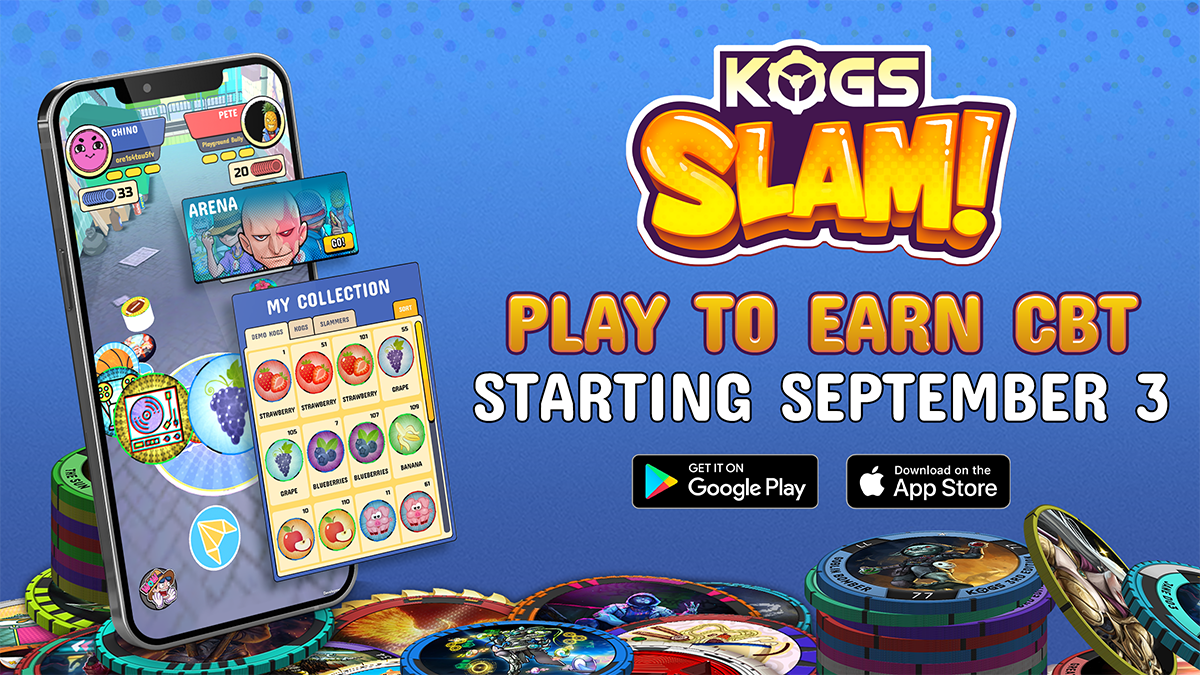
Southeast Asian based RFOX Games (a subsidiary of RedFOX Labs $RFOX) has released its free-to-play game KOGs SLAM! in closed beta. The Bitcoin News finds out more about the KOGs SLAM! digital gaming experience and the collaboration with YGG (Yield Guild Games).
Q. Please introduce yourself and what you do at RFOX Games.
I’m Fadzly Yusof, General Manager of RFOX Games, a subsidiary of Redfox Labs, a crypto and blockchain venture builder based in South East Asia.
Q. Can you tell us more about RFOX Games?
RFOX Games wasset up with the purpose of bringing people into the blockchain era through games. Our team is made up of gaming veterans and artists who want to make digital inclusion into the blockchain space easy, relevant and fun.
Q. You recently released your free-to-play play-to-earn game KOGs SLAM in closed beta. How is that going for you?
We have on-boarded a few thousand gamers to stress testers our system for bugs and issues related to gameplay. There is also an incentive program that awards players with RFOX for leaderboard rankings and an exclusive NFT slammer to be used in the game if they qualify.
Q. Care to comment on your collaboration with Yield Guild Games on this as well as the ‘inclusion’ aspect?
YGG has been very active in managing their community with play to earn opportunities in gaming to help them monetise their time and effort, with Kogs, we hope to give them another opportunity to earn financial rewards through our NFT and token once we go open beta. A lot of their members who are waiting for scholarships or sponsors can consider our content as a viable option for income. We are facilitating cash out options for them to make the experience less tedious for first time users who are not savvy with crypto yet.
Q. Would you say you are leading in this field in the SEA/APAC markets?
We are a young company hoping to expand the play-to-earn ecosystem in as many countries as possible. We are just starting so we have a lot of opportunities to grow. The space is still mostly untapped and will be a huge benefit to economies that have been affected by COVID.
Q. Thanks for your comprehensive answers! We would love to know what’s next for RFOX Games.
We will be announcing more activities and content for our communities, visit our discord channel at https://discord.io/kogs and our Facebook page at https://fb.com/kogs.gg for the latest news and updates!
About RFOX Games
RFOX Games, launched by RedFOX Labs, Southeast Asia’s first blockchain venture builder. RFOX Games is building a series of interoperable games that are PLAY TO EARN and support the KOGs NFT collection. The entire RFOX ecosystem is supported by its native currency $RFOX and users will be able to compete in head-to-head and tournament-based games to win NFT prizes and $RFOX.
Manila, Philippines, September 3, 2021 — Southeast Asian based RFOX Games (a subsidiary of RedFOX Labs $RFOX) will release its free-to-play play-to-earn game KOGs SLAM! in closed beta this Friday the 3rd of September and welcome YGG (Yield Guild Games) to the beta release.
RFOX Games’ maiden release KOGs SLAM! is a digital gaming experience inspired by the 90’s schoolyard phenomenon POGs. RFOX Games will introduce a free play-to-earn model to millions of users in the Southeast Asian region.
RFOX Games, a subsidiary of Southeast Asian venture builder RedFOX Labs, has been working on a game that focuses on digital inclusion and allows people hit hardest by economic challenges an opportunity to earn from their mobile phones.
The closed beta trial for play-to-earn will kick off on September 3 and run for a month before its international public release. The beta release will allow for 5,000 participants to compete for the $RFOX token and prizes and is expected to be heavily oversubscribed.
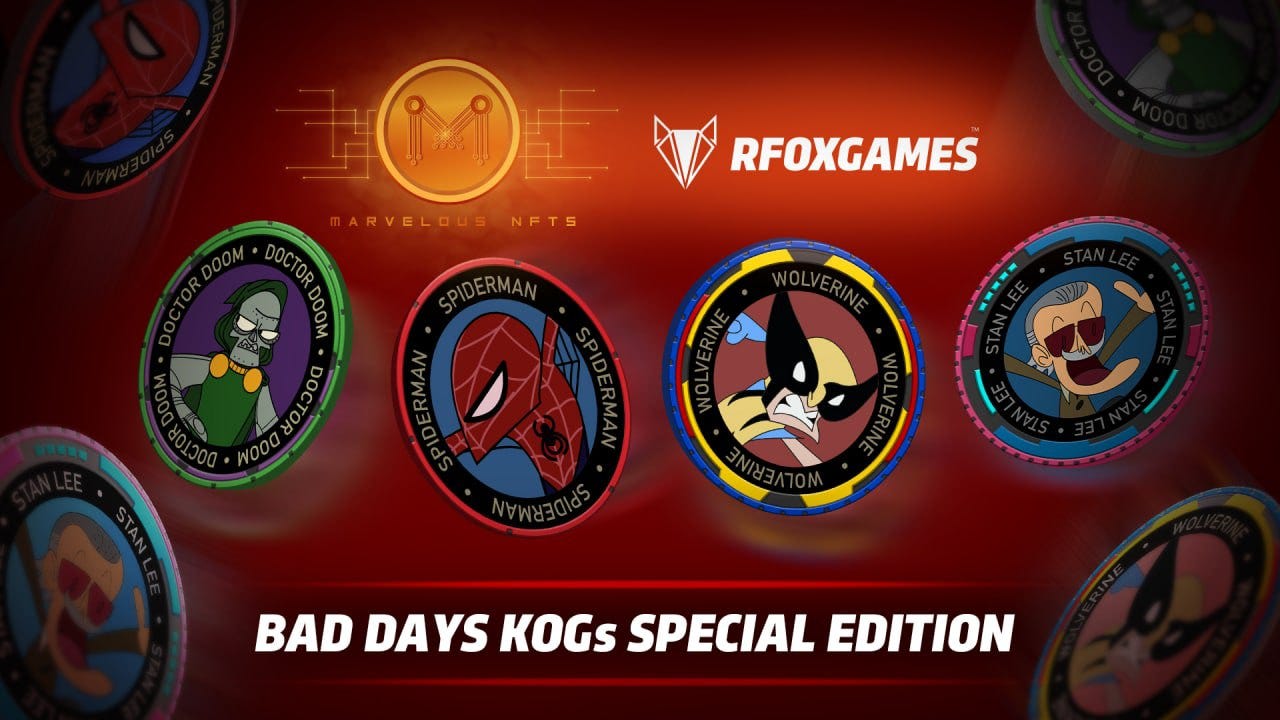
The easy-to-learn game also has a popular NFT collection called KOGs, which is an acronym for Keys to Other Games. KOGs recently launched its limited Bad Days NFT collection featuring Marvel characters created by Stan Lee. The sale ended last August 28 but you can still buy KOGs here.
Ben Fairbank, CEO, and Co-founder of RedFOX Labs commented:
“It is highly likely that this game could reach millions of users across Southeast Asia and beyond when you consider that a free play-to-earn model would be welcomed with open arms by those most impacted by COVID, with many having lost their jobs.”
“We had an ambitious plan and model, and we are finally ready to go to the closed beta for the play-to-earn. We are thrilled to welcome YGG and Real Deal to the trial who can help us gain exposure to a wider audience of play-to-earn gamers. We are thrilled to have organizations of this caliber join the trial.”
Gabby Dizon, Co-founder of Yield Guild Games commented:
“We’re happy to be working with RFOX GAMES to bring YGG members into the KOGS SLAM closed beta. This gives an opportunity for our underserved members to start earning while they move up our scholarship waitlist. Being able to start playing for free and move earnings directly to GCash will massively increase play-to-earn adoption in the Philippines.”
Register here for the closed beta and early releases.
RedFOX Labs will also feature the KOGs collection and games in its upcoming metaverse the RFOX VALT
About RFOX Games
RFOX Games, launched by RedFOX Labs, Southeast Asia’s first blockchain venture builder. RFOX Games is building a series of interoperable games that are PLAY TO EARN and support the KOGs NFT collection. The entire RFOX ecosystem is supported by its native currency $RFOX and users will be able to compete in head-to-head and tournament-based games to win NFT prizes and $RFOX.
About Yield Guild Games
Yield Guild Games (YGG) is a decentralized autonomous organization (DAO) for investing in non-fungible tokens (NFTs) used in virtual worlds and blockchain-based games. The organization’s mission is to create the biggest virtual world economy, optimizing its community-owned assets for maximum utility and sharing its profits with its token holders.
Around the Block from Coinbase Ventures sheds light on key trends in crypto. In this edition, Justin Mart, Connor Dempsey, and Hassan Ahmed explore the growth of NFT games and the play-to-earn economy. Plus, a look at NFT marketplace activity and the Poly Network exploit.
We’re at an exciting time in crypto: one in which cryptonetworks are blossoming into full-fledged virtual economies. Nowhere is this more on display than with NFT gaming.
At the forefront of NFT gaming sits Axie Infinity and its play-to-earn model: a model that pays people in crypto to play a fun video game. With over one million daily active users, Axie Infinity has exploded in popularity in emerging markets and is showing the potential to be a trojan horse for on-boarding the next generation of crypto users.
On top of that, Axie Infinity and play-to-earn gaming has spawned its own thriving financial services sector.
The rise of Axie Infinity
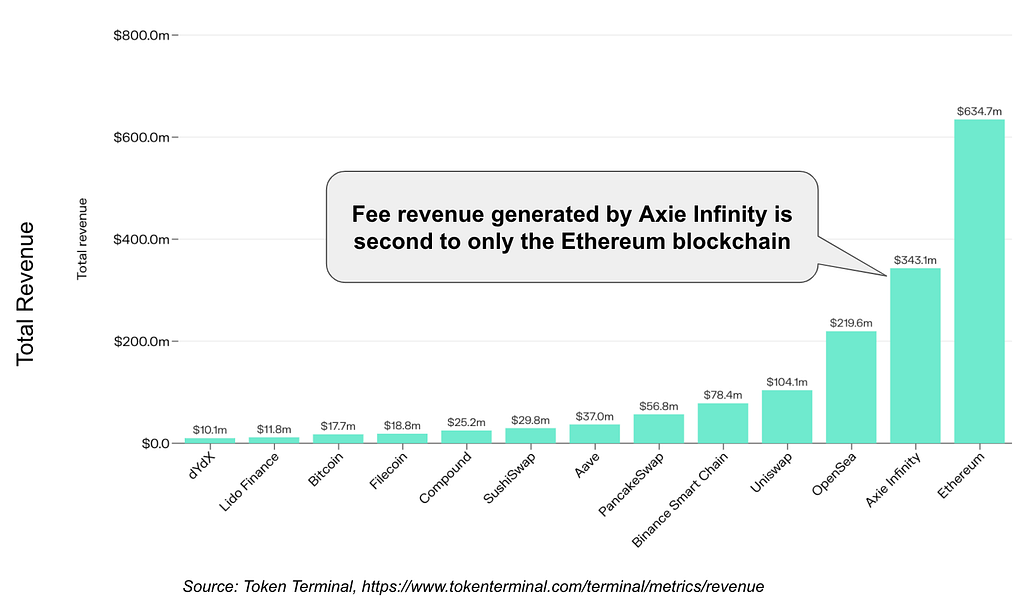
Over the last 30 days, Axie Infinity generated a head turning $343M in fee revenue. This is more than any app or protocol in crypto aside from the Ethereum blockchain, according to Token Terminal.
So where’s that revenue coming from?
How Axie Infinity generates revenue
The Axie Infinity economy consists of a governance token (AXS) and a second token called Smooth Love Potion (SLP) that serves as an in-game currency, along with NFTs that represent both game characters and virtual real estate.
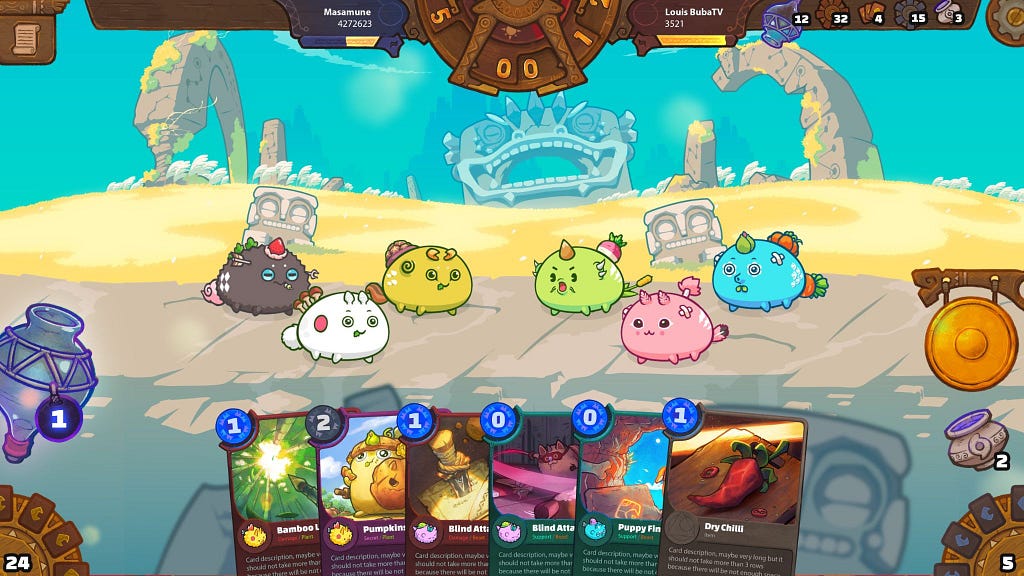
The gameplay itself is often compared to Pokemon, where players battle “Axies” (pictured below) against those of other players. Different Axies have different strengths and weaknesses, and the strategy of the game comes down to playing to your Axies strengths better than your opponent. Players get paid in SLP for defeating opponents. Additionally, players can compete daily quests to earn additional SLP. Axies can also be “bred” together to create new Axies which can in turn be sold to other players for profit.
Every time an Axie is traded, a plot of real estate is sold, or two Axies are bred, the protocol takes a fee priced in a combination of AXS and SLP. Rather than go to the developers, this revenue is placed in the Axie treasury, which has ballooned to nearly $600 million.
While the protocol revenue numbers alone depict the emergence of a new breakout crypto application, what’s more exciting is where Axie Infinity is taking off: in developing nations where players can often earn more playing the game and selling SLP for their native currencies than they can with a typical day job.
With an estimated 50% of daily active users (DAUs) coming from the Philippines, the game is also picking up steam in other emerging markets like Indonesia, Brazil, Venezuela, India, and Vietnam.
Created by game developer Sky Mavis in 2018, Axie started picking up organic traction in the Philippines in early 2020 after a few players realized they could make legitimate incomes by playing. When Covid lockdowns hit and many were put out of work, more were encouraged to give it a try. A documentary on the game’s growth called PLAY-TO-EARN went viral in May 2021 and DAUs went vertical soon after.
Business models of the metaverse
Unlike many mobile games, Axie Infinity is not free to play. To get started, players need to obtain 3 Axie Infinity characters. In the earlier days of the game, the average Axie was selling for under $10. With the game’s rapid growth and the broader NFT rally, the average Axie is now selling for nearly $500 according to CryptoSlam.
Given Axie’s base within the Philippines and other emerging markets, a $1,500 entry tag is a non-starter for most would-be players. To mitigate this barrier to entry, an informal market emerged in which NFT owners began lending players the NFTs needed to play the game in exchange for a cut of their winnings. This is done through QR codes that let players use Axie NFTs in game without the lender having to cede ownership on-chain.
This informal market has blossomed into a formal play-to-earn financial services sector. The largest and most prominent player is a project called Yield Guild Games.
Yield Guild Games (YGG)
Founder Gabby Dizon likes to say that Yield Guild Games is one part Berkshire Hathaway and one part Uber.
Just as Berkshire Hathaway is a holding company for a multitude of businesses, YGG is essentially a holding company for play-to-earn gaming assets. Starting in 2020, they’ve been buying up yield producing NFTs, governance tokens, and ownership stakes in promising gaming projects and protocols.
Similar to how Uber pairs people who want to earn money driving with people who need rides, YGG pairs people who want to make money gaming with the NFTs they need to earn in play-to-earn games. In many parts of the world, people are opting to work with YGG over Uber simply because it pays more.
YGG recently released its July Asset & Treasury Report that offers an interesting glimpse into the new kinds of business models NFTs and play-to-earn games are creating.
YGG by the numbers
Within YGG, there are scholars and community managers. Scholars receive NFTs that they in turn put to work earning crypto. Community managers recruit and train new scholars. 70% of winnings go to scholars, 20% to community managers, and 10% to the Yield Guild Games treasury.
According to the report, 2,058 new scholars joined YGG in July bringing the total to 4,004. In the same month, YGG scholars generated 11.7M SLP by playing Axie Infinity, which equated to over $3.25M in direct revenue. From April through July, scholars and community managers have earned a cumulative of $8.93M.
From its cut of all SLP earned by scholars, YGG earned $329,500 in July and a total of $580,000 since April. YGG’s expenses currently outstrip revenue, as they spent $1.62M in July alone “breeding” new Axie’s to meet scholar demand (breeding can cost anywhere from $200 to $1,200 per Axie).
The YGG Treasury
The YGG treasury consists of tokens and stablecoins held in a wallet, NFTs, and venture investments made in various play-to-earn games. The project has been funded by a $1.325M seed round led by Delphi Digital and another $4.6M round from a16z. They also raised $12.49M from the sale of the YGG governance token, while holding 13.3% of its outstanding supply.
As of the end of July, the YGG wallet’s holdings stood at $415M, with the majority stemming from the YGG token ($373M). The YGG token is part of Yield Guild Game’s plan to transition into a community-governed DAO.
Much of YGG’s capital has been put to work buying NFTs that can earn yield from play-to-earn games. By the end of July, the YGG treasury had amassed 19,460 NFTs valued at over $10M across 12 play-to-earn games. Axie Infinity NFTs comprised close to 90% of that value.
YGG has also made early stage investments across 8 play-to-earn games via SAFT (Simple Agreement for Future Tokens), and locked in ~$1M for yield farming in blue-chip DeFi projects.
A key element of the YGG model is that players are lent NFTs with zero downside risk and without having to put down any upfront capital. In return, they surrender 30% of their winnings but retain the majority — a critical hook to onboarding a new class of crypto users that have historically been priced out.
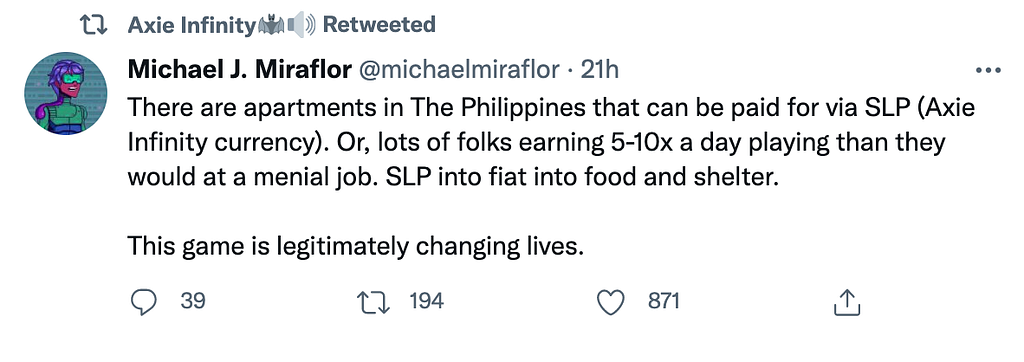
In fact, some players in the Philippines are earning 5–10x what they were making from their previous jobs. New homes have been purchased, charitable acts have been made, and even shops are accepting SLP as payment.
Beyond the wealth Axie Infinity has created, the game’s popularity has served as a means for getting a large new class of users comfortable using crypto applications. As these 1 million users interface with cryptocurrencies, NFTs, digital wallets, and DEXs, it’s not hard to see this new cohort as natural users of other DeFi and Web3 applications.
Play-to-earn sustainability
If Axie Infinity is its own digital nation, game developer Sky Mavis serves as its Federal Reserve. Where the Fed has various tools it uses to influence the economy, Sky Mavis can adjust the SLP issuance rate and breeding fees with the aim of keeping the Axie economy healthy. Just like a real economy, digital economies have to consider the effects of inflation.
ETH has been flowing into the Axie economy due to high demand for Axie NFTs. Increased demand for Axie NFTs has led to rising Axie NFT prices. Higher NFT prices have made breeding more profitable. Breeding requires fees paid in SLP & AXS, leading to a rise in token prices. With rising SLP prices, playing becomes more profitable, encouraging others to join. A powerful positive feedback loop no doubt — but what if market conditions change?
Winning Axie Infinity battles and quests yields SLP, inflating the SLP supply. And since breeding is priced in SLP, additional supply of SLP equates to cheaper breeding fees to create new Axie NFTs, inflating Axie NFT supply. These dynamics could have an impact on NFT market prices, which in turn may have a direct effect on the economics for players — a possible negative feedback loop.
Ultimately, Sky Mavis has to keep the SLP supply in-check while improving overall gameplay to keep its player economy and ETH deposits growing. They must also offset the number of players seeking to extract a profit with players who are pure consumers — i.e. playing for the fun of it.
Playing the Long Game
While Sky Mavis works to keep the Axie economy strong, Yield Guild Games is banking on the continued growth of play-to-earn gaming as a whole. By replicating its model for Axie Infinity across new games, it seeks to build a play-to-earn empire. Over the long run, founder Gabby Dizon sees YGG as the “recruitment agency of the metaverse” that ultimately competes with the Ubers of the world for labor. A future straight out of Ready Player One in which millions of people earn a living in the digital world in order to cover expenses in the physical one.
Final word
With the exploding revenue of Axie Infinity, the emergence of DAOs like Yield Guild Games, and the multitude of play-to-earn games on the horizon, it’s clear that this trend has legs. With DeFi, NFTs, and now crypto gaming, we’re rapidly evolving past the original crypto killer app of speculative trading and into a universe of expressive new apps and models. We’re in fascinating times as crypto’s utility phase marches forward with a full head of steam.
Quick Hits
OpenSea Hits $3B monthly volume
In the month of August, NFT exchange OpenSea hit $3B in monthly volume as over 1.5 million NFTs changed hands. Its August volume alone exceeds that of every other month in its history, combined.
OpenSea’s August volume is on par with $3B in gross sales Etsy put up in all of Q2: another sign of just how big the NFT market has grown relative to other online marketplaces in a very short timespan.
Data from The Block shows how dominant OpenSea’s dominance over the NFT landscape really is.
Notably absent from this exchange landscape are any kind of decentralized venues for trading NFTs. This follows past market cycles in which centralized exchanges found product market fit first, before ultimately paving the way for decentralized alternatives (think Uniswap during the DeFi summer).
The DEX market for NFTs is still nascent but one we’re watching is the recently launched Punks.house which is a permissionless venue for trading CryptoPunks made by Zora. We’re also seeing NFT markets begin to decentralize themselves, with NFT art marketplace Super Rare making the first move with the introduction of its RARE governance token. Many suspect OpenSea will eventually take this route as well.
Lastly, while OpenSea is a centralized for profit entity, its code is open source. It wouldn’t surprise us to see a low-fee competitor forked from OpenSea emerge in the coming months.
$611M whitehat hack?
In the largest DeFi hack to date, an attacker drained over $611M from the Ethereum, Binance Smart Chain, and Polygon blockchains. Then in a surprise move, he returned almost all of it.
The hack was done by exploiting vulnerabilities on the Poly Network, a cross-chain interoperability protocol that connects different blockchains. These types of networks are usually among the most complex, owing to challenges in getting two different blockchains to talk to each other in a secure, safe fashion (it’s hard enough getting one blockchain to be secure!). And complexity is the enemy of security because added complexity increases the surface area for attackers to find exploits.
In this case, the hacker tricked Poly Network’s smart contracts into thinking that the hacker’s address had permission to unlock the $611M+ across chains (detailed technical analysis here, simple explainer here). But in an odd turn of events, the hacker ended up returning nearly all of it to the Poly Network team (sans $33M USDT frozen by Tether).
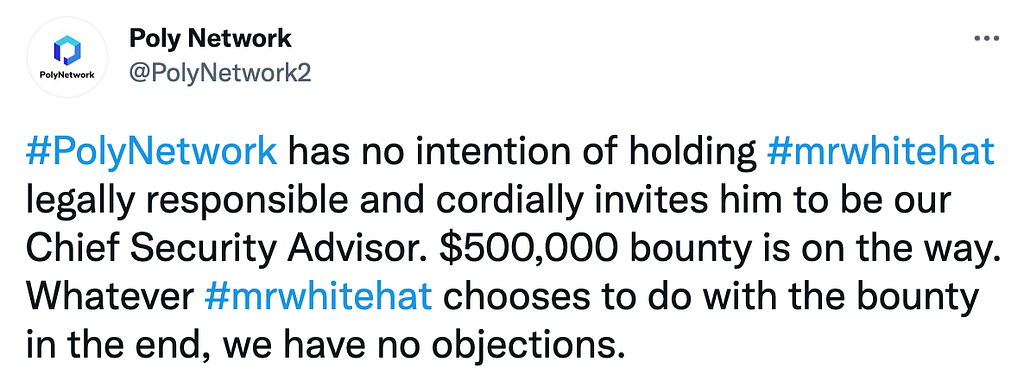
There remains speculation around the hacker’s motives to return the funds. Security firm SlowMist stated that they were able to identify the hacker’s IP and email addresses, so some think the funds were returned because the hacker knew they wouldn’t be able to launder that much money undetected. The hacker, on the other hand, conducted an AMA and stated that they did it, “for fun.” And in a separate twist, the Poly Network team offered the hacker a job as their Chief Security Officer in addition to sending a $500,000 bounty for returning some of the funds.
What’s going on here? We can’t know for sure, but it is rare for a hacker to return funds, especially in such a public fashion. Occam’s razor suggests that the repercussions involved with getting caught (if their info was truly identified) were too great to bear.
While it’s disconcerting to see more hacks happening, we should note that this is simply an evolutionary fitness-function in action. Each hack teaches us how to improve, and we learn, adapt, and improve. While bleeding edge crypto protocols pioneering new use cases will inevitably carry more risk, the space hardens over time.
And Poly Network is not alone. Note the other week when Paradigm’s samczsun discovered and reported a vulnerability in SushiSwap’s MISO platform that would have left $350M ETH at risk. Most recently, Cream Finance was exploited in a flashloan attack for $25M.
But for crypto to really succeed, we need security guarantees. Insurance markets are critical.
Retail news
Binance Tightens KYC Requirements — Leans into Compliance
The 2021 Global Crypto Adoption Index: Worldwide Adoption Jumps Over 880% With P2P Platforms Driving Cryptocurrency Usage in Emerging Markets
Crypto grows from 2% to 41% of Robinhood’s total revenue in past year
Japan’s Liquid Global Exchange Hacked; $90M in Crypto Siphoned Off
‘Novi is ready to come to market,’ says David Marcus as Diem’s future remains uncertain
Facebook Considering NFT Support in Novi Digital Wallet
Austrian crypto unicorn Bitpanda raises another $263 million
Institutional news
US Mortgage Lender UWM Plans to Accept Bitcoin Payments
Galaxy files for ETF that provides indirect exposure to bitcoin
Bloomberg and Galaxy team up on decentralized finance index
Former SEC chair Clayton joins Fireblocks advisory board
Galaxy reports losing $175 million during the last quarter in recent earnings call
Wells Fargo Launches Passive Bitcoin Fund for Wealthy Clients
Ecosystem news
Visa Enters Metaverse With First NFT Purchase
Budweiser buys Beer.ETH domain and a rocket NFT
Twitter taps crypto developer to lead decentralized social media initiative Bluesky
TikTok Picks Streaming Service Audius to Power New ‘Sounds’ Library
DeFi projects could come under SEC’s oversight, says chairman Gensler
a16z announces $4.6 million financing round in Yield Guild Games
Avalanche launches $180 million DeFi incentive scheme with Aave and Curve
Walmart is looking for a crypto product lead
Polygon acquires Hermez in $250 million deal that includes first-ever token ‘merger’
Ethereum 2.0 Staking Contract Now Holds the Most Ether: $21.3B
This website does not disclose material nonpublic information pertaining to Coinbase or Coinbase Venture’s portfolio companies.
Disclaimer: This material is the property of Coinbase, Inc., its parent and affiliates (“Coinbase”). The views and opinions expressed herein are those of the author and do not necessarily reflect the views of Coinbase or its employees and summarizes information and articles with respect to cryptocurrencies or related topics that the author believes may be of interest. This material is for informational purposes only, and is not (i) an offer, or solicitation of an offer, to invest in, or to buy or sell, any interests or shares, or to participate in any investment or trading strategy, (ii) intended to provide accounting, legal, or tax advice, or investment recommendations or (iii) an official statement of Coinbase. No representation or warranty is made, expressed or implied, with respect to the accuracy or completeness of the information or to the future performance of any digital asset, financial instrument or other market or economic measure. The information is believed to be current as of the date indicated on the materials. Recipients should consult their advisors before making any investment decision. Coinbase may have financial interests in, or relationships with, some of the entities and/or publications discussed or otherwise referenced in the materials. Certain links that may be provided in the materials are provided for convenience and do not imply Coinbase’s endorsement, or approval of any third-party websites or their content. Coinbase, Inc. is not registered or licensed in any capacity with the U.S. Securities and Exchange Commission or the U.S. Commodity Futures Trading Commission.
Axie Infinity, Yield Guild Games & the play-to-earn economy was originally published in The Coinbase Blog on Medium, where people are continuing the conversation by highlighting and responding to this story.
Singapore, 7 June 2021— Vietnam-based RedFOX Labs Joint Stock Company (‘RedFOX’) announces new RFOX Games NFT IP partnership with MarvelousNFTs to present BAD DAYS KOGs Special Edition.
RFOX Games Ups Play-to-Earn with Blockchain
RFOX GAMES is a division of blockchain venture builder, RedFOX Labs, aims to bring a new…