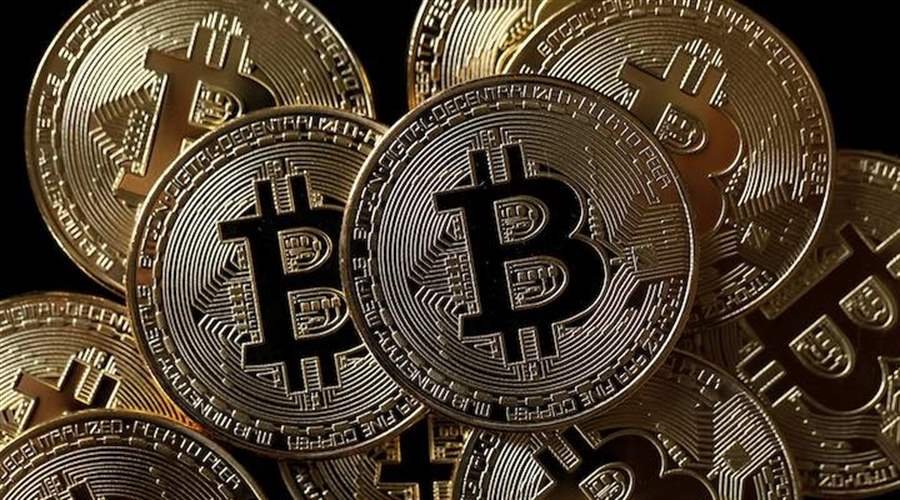
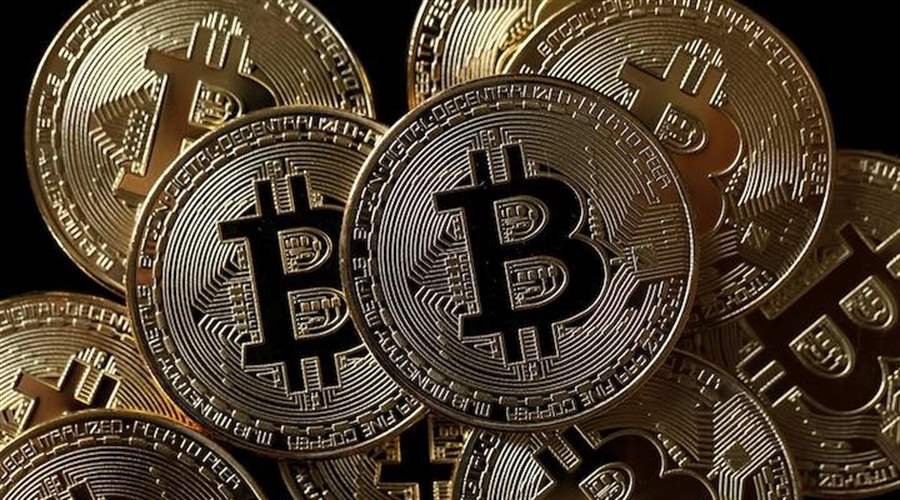
Turkish prosecutors are seeking jail sentences totaling up to 40,564 years for 21 of the founders and executives of the crypto-exchange Thodex. Bloomberg reported that TRY 356 million ($24 million) in losses were incurred due to the collapse of the exchange
Exchange
An exchange is known as a marketplace that supports the trading of derivatives, commodities, securities, and other financial instruments.Generally, an exchange is accessible through a digital platform or sometimes at a tangible address where investors organize to perform trading. Among the chief responsibilities of an exchange would be to uphold honest and fair-trading practices. These are instrumental in making sure that the distribution of supported security rates on that exchange are effectively relevant with real-time pricing.Depending upon where you reside, an exchange may be referred to as a bourse or a share exchange while, as a whole, exchanges are present within the majority of countries. Who is Listed on an Exchange?As trading continues to transition more to electronic exchanges, transactions become more dispersed through varying exchanges. This in turn has caused a surge in the implementation of trading algorithms and high-frequency trading applications. In order for a company to be listed on a stock exchange for example, a company must divulge information such as minimum capital requirements, audited earnings reports, and financial reports.Not all exchanges are created equally, with some outperforming other exchanges significantly. The most high-profile exchanges to date include the New York Stock Exchange (NYSE), the Tokyo Stock Exchange (TSE), the London Stock Exchange (LSE), and the Nasdaq. Outside of trading, a stock exchange may be used by companies aiming to raise capital, this is most commonly seen in the form of initial public offerings (IPOs).Exchanges can now handle other asset classes, given the rise of cryptocurrencies as a more popularized form of trading.
An exchange is known as a marketplace that supports the trading of derivatives, commodities, securities, and other financial instruments.Generally, an exchange is accessible through a digital platform or sometimes at a tangible address where investors organize to perform trading. Among the chief responsibilities of an exchange would be to uphold honest and fair-trading practices. These are instrumental in making sure that the distribution of supported security rates on that exchange are effectively relevant with real-time pricing.Depending upon where you reside, an exchange may be referred to as a bourse or a share exchange while, as a whole, exchanges are present within the majority of countries. Who is Listed on an Exchange?As trading continues to transition more to electronic exchanges, transactions become more dispersed through varying exchanges. This in turn has caused a surge in the implementation of trading algorithms and high-frequency trading applications. In order for a company to be listed on a stock exchange for example, a company must divulge information such as minimum capital requirements, audited earnings reports, and financial reports.Not all exchanges are created equally, with some outperforming other exchanges significantly. The most high-profile exchanges to date include the New York Stock Exchange (NYSE), the Tokyo Stock Exchange (TSE), the London Stock Exchange (LSE), and the Nasdaq. Outside of trading, a stock exchange may be used by companies aiming to raise capital, this is most commonly seen in the form of initial public offerings (IPOs).Exchanges can now handle other asset classes, given the rise of cryptocurrencies as a more popularized form of trading. Read this Term.
Thodex was part of the boom that attracted thousands of Turks who wished to protect their savings from rampant inflation and an unstable currency. Ozer stated in an unknown location in April 2021 that he would remit investors’ money and return to Turkey at a later date to face justice.
According to the indictment, total losses from the collapse of the exchange were TRY 356 million. That figure is far below the $2.6 billion estimated in a February report by Chainalysis. Based on the report, Thodex was responsible for about 90% of the global value lost to rug pulls in 2021.
It is alleged that the defendants established a criminal organization, engaged in fraud through informatics systems, and laundered proceeds from criminal activities.
Citing the Demiroren News Agency, Bloomberg pointed out that indictments include Faruk Fatih Ozer, the 28-year-old CEO who has been missing for the past year. Turkish police teams have flown to four countries, including Albania, in attempts to locate Ozer since footage of him was first released in April 2021. Despite the red notice posted on Interpol’s website, Ozer remains on the wanted list.
Crypto Adoption in Turkey
In terms of crypto adoption, Turkey is one of the world’s biggest markets. According to the data published by Coinmarketcap, Turkey accounts for almost 16% of global cryptocurrency users. Currently, the country stands at position number 4 for the highest number of crypto users around the world.
The Turkish Lira saw immense volatility
Volatility
In finance, volatility refers to the amount of change in the rate of a financial instrument, such as commodities, currencies, stocks, over a given time period. Essentially, volatility describes the nature of an instrument’s fluctuation; a highly volatile security equates to large fluctuations in price, and a low volatile security equates to timid fluctuations in price. Volatility is an important statistical indicator used by financial traders to assist them in developing trading systems. Traders can be successful in both low and high volatile environments, but the strategies employed are often different depending upon volatility. Why Too Much Volatility is a ProblemIn the FX space, lower volatile currency pairs offer less surprises, and are suited to position traders.High volatile pairs are attractive for many day traders, due to quick and strong movements, offering the potential for higher profits, although the risk associated with such volatile pairs are many. Overall, a look at previous volatility tells us how likely price will fluctuate in the future, although it has nothing to do with direction.All a trader can gather from this is the understanding that the probability of a volatile pair to increase or decrease an X amount in a Y period of time, is more than the probability of a non-volatile pair. Another important factor is, volatility can and does change over time, and there can be periods when even highly volatile instruments show signs of flatness, with price not really making headway in either direction. Too little volatility is just as problematic for markets as too much, we uncertainty in excess can create panic and problems of liquidity. This was evident during Black Swan events or other crisis that have historically roiled currency and equity markets.
In finance, volatility refers to the amount of change in the rate of a financial instrument, such as commodities, currencies, stocks, over a given time period. Essentially, volatility describes the nature of an instrument’s fluctuation; a highly volatile security equates to large fluctuations in price, and a low volatile security equates to timid fluctuations in price. Volatility is an important statistical indicator used by financial traders to assist them in developing trading systems. Traders can be successful in both low and high volatile environments, but the strategies employed are often different depending upon volatility. Why Too Much Volatility is a ProblemIn the FX space, lower volatile currency pairs offer less surprises, and are suited to position traders.High volatile pairs are attractive for many day traders, due to quick and strong movements, offering the potential for higher profits, although the risk associated with such volatile pairs are many. Overall, a look at previous volatility tells us how likely price will fluctuate in the future, although it has nothing to do with direction.All a trader can gather from this is the understanding that the probability of a volatile pair to increase or decrease an X amount in a Y period of time, is more than the probability of a non-volatile pair. Another important factor is, volatility can and does change over time, and there can be periods when even highly volatile instruments show signs of flatness, with price not really making headway in either direction. Too little volatility is just as problematic for markets as too much, we uncertainty in excess can create panic and problems of liquidity. This was evident during Black Swan events or other crisis that have historically roiled currency and equity markets. Read this Term in December 2021 after recent steps from Turkey’s central bank. While rising inflation has caused a major worry for local residents, investors have started parking their savings into crypto assets like Bitcoin and Ethereum.
Turkish prosecutors are seeking jail sentences totaling up to 40,564 years for 21 of the founders and executives of the crypto-exchange Thodex. Bloomberg reported that TRY 356 million ($24 million) in losses were incurred due to the collapse of the exchange
Exchange
An exchange is known as a marketplace that supports the trading of derivatives, commodities, securities, and other financial instruments.Generally, an exchange is accessible through a digital platform or sometimes at a tangible address where investors organize to perform trading. Among the chief responsibilities of an exchange would be to uphold honest and fair-trading practices. These are instrumental in making sure that the distribution of supported security rates on that exchange are effectively relevant with real-time pricing.Depending upon where you reside, an exchange may be referred to as a bourse or a share exchange while, as a whole, exchanges are present within the majority of countries. Who is Listed on an Exchange?As trading continues to transition more to electronic exchanges, transactions become more dispersed through varying exchanges. This in turn has caused a surge in the implementation of trading algorithms and high-frequency trading applications. In order for a company to be listed on a stock exchange for example, a company must divulge information such as minimum capital requirements, audited earnings reports, and financial reports.Not all exchanges are created equally, with some outperforming other exchanges significantly. The most high-profile exchanges to date include the New York Stock Exchange (NYSE), the Tokyo Stock Exchange (TSE), the London Stock Exchange (LSE), and the Nasdaq. Outside of trading, a stock exchange may be used by companies aiming to raise capital, this is most commonly seen in the form of initial public offerings (IPOs).Exchanges can now handle other asset classes, given the rise of cryptocurrencies as a more popularized form of trading.
An exchange is known as a marketplace that supports the trading of derivatives, commodities, securities, and other financial instruments.Generally, an exchange is accessible through a digital platform or sometimes at a tangible address where investors organize to perform trading. Among the chief responsibilities of an exchange would be to uphold honest and fair-trading practices. These are instrumental in making sure that the distribution of supported security rates on that exchange are effectively relevant with real-time pricing.Depending upon where you reside, an exchange may be referred to as a bourse or a share exchange while, as a whole, exchanges are present within the majority of countries. Who is Listed on an Exchange?As trading continues to transition more to electronic exchanges, transactions become more dispersed through varying exchanges. This in turn has caused a surge in the implementation of trading algorithms and high-frequency trading applications. In order for a company to be listed on a stock exchange for example, a company must divulge information such as minimum capital requirements, audited earnings reports, and financial reports.Not all exchanges are created equally, with some outperforming other exchanges significantly. The most high-profile exchanges to date include the New York Stock Exchange (NYSE), the Tokyo Stock Exchange (TSE), the London Stock Exchange (LSE), and the Nasdaq. Outside of trading, a stock exchange may be used by companies aiming to raise capital, this is most commonly seen in the form of initial public offerings (IPOs).Exchanges can now handle other asset classes, given the rise of cryptocurrencies as a more popularized form of trading. Read this Term.
Thodex was part of the boom that attracted thousands of Turks who wished to protect their savings from rampant inflation and an unstable currency. Ozer stated in an unknown location in April 2021 that he would remit investors’ money and return to Turkey at a later date to face justice.
According to the indictment, total losses from the collapse of the exchange were TRY 356 million. That figure is far below the $2.6 billion estimated in a February report by Chainalysis. Based on the report, Thodex was responsible for about 90% of the global value lost to rug pulls in 2021.
It is alleged that the defendants established a criminal organization, engaged in fraud through informatics systems, and laundered proceeds from criminal activities.
Citing the Demiroren News Agency, Bloomberg pointed out that indictments include Faruk Fatih Ozer, the 28-year-old CEO who has been missing for the past year. Turkish police teams have flown to four countries, including Albania, in attempts to locate Ozer since footage of him was first released in April 2021. Despite the red notice posted on Interpol’s website, Ozer remains on the wanted list.
Crypto Adoption in Turkey
In terms of crypto adoption, Turkey is one of the world’s biggest markets. According to the data published by Coinmarketcap, Turkey accounts for almost 16% of global cryptocurrency users. Currently, the country stands at position number 4 for the highest number of crypto users around the world.
The Turkish Lira saw immense volatility
Volatility
In finance, volatility refers to the amount of change in the rate of a financial instrument, such as commodities, currencies, stocks, over a given time period. Essentially, volatility describes the nature of an instrument’s fluctuation; a highly volatile security equates to large fluctuations in price, and a low volatile security equates to timid fluctuations in price. Volatility is an important statistical indicator used by financial traders to assist them in developing trading systems. Traders can be successful in both low and high volatile environments, but the strategies employed are often different depending upon volatility. Why Too Much Volatility is a ProblemIn the FX space, lower volatile currency pairs offer less surprises, and are suited to position traders.High volatile pairs are attractive for many day traders, due to quick and strong movements, offering the potential for higher profits, although the risk associated with such volatile pairs are many. Overall, a look at previous volatility tells us how likely price will fluctuate in the future, although it has nothing to do with direction.All a trader can gather from this is the understanding that the probability of a volatile pair to increase or decrease an X amount in a Y period of time, is more than the probability of a non-volatile pair. Another important factor is, volatility can and does change over time, and there can be periods when even highly volatile instruments show signs of flatness, with price not really making headway in either direction. Too little volatility is just as problematic for markets as too much, we uncertainty in excess can create panic and problems of liquidity. This was evident during Black Swan events or other crisis that have historically roiled currency and equity markets.
In finance, volatility refers to the amount of change in the rate of a financial instrument, such as commodities, currencies, stocks, over a given time period. Essentially, volatility describes the nature of an instrument’s fluctuation; a highly volatile security equates to large fluctuations in price, and a low volatile security equates to timid fluctuations in price. Volatility is an important statistical indicator used by financial traders to assist them in developing trading systems. Traders can be successful in both low and high volatile environments, but the strategies employed are often different depending upon volatility. Why Too Much Volatility is a ProblemIn the FX space, lower volatile currency pairs offer less surprises, and are suited to position traders.High volatile pairs are attractive for many day traders, due to quick and strong movements, offering the potential for higher profits, although the risk associated with such volatile pairs are many. Overall, a look at previous volatility tells us how likely price will fluctuate in the future, although it has nothing to do with direction.All a trader can gather from this is the understanding that the probability of a volatile pair to increase or decrease an X amount in a Y period of time, is more than the probability of a non-volatile pair. Another important factor is, volatility can and does change over time, and there can be periods when even highly volatile instruments show signs of flatness, with price not really making headway in either direction. Too little volatility is just as problematic for markets as too much, we uncertainty in excess can create panic and problems of liquidity. This was evident during Black Swan events or other crisis that have historically roiled currency and equity markets. Read this Term in December 2021 after recent steps from Turkey’s central bank. While rising inflation has caused a major worry for local residents, investors have started parking their savings into crypto assets like Bitcoin and Ethereum.
The barter system, where you trade your cow for someone else’s grains, for instance, is probably older than you think. It has its roots dating back to 6000 BC when Mesopotamian tribes first made exchanges with other groups.
Those methods of exchange worked well before things like the Internet or decentralized technology existed. Trading was necessary not because commodities have financial value or even industrial utility, but because they were necessary for survival. Back then, societies weren’t as worried about gold or silver as they were about grains, milk, and beans.
Today, even though society is living in a time where artificial intelligence, automation, blockchain technology and decentralization are going to make means of exchange far more democratic, and private than ever before, commodities still derive their value from the same things.
Agricultural goods provide us with a means to nourish ourselves and survive. Energy in the form of oil, natural gas etc. allows us to keep the lights on and keep the economy moving, and precious metals provide us with industrial utility and the ability to hedge against inflation.
Here’s the thing. The above commodities are non-fungible. They are not so easy to trade. That means no matter how valuable they are, some of that value is sucked away by old-world value chains. Thus, it remains out of the hands of the everyday individual.
That’s why Comdex is launching a decentralized exchange (DEX) for synthetic assets. So that value can be unlocked and participants all around the world can benefit from such an unlocking event.
What Are Synthetic Assets?
In blockchain, a synthetic asset is a tokenized version of another asset, whether the latter is tangible or intangible. In the case of commodities, blockchain can be used to tokenize physical assets as well as their financial representations, be it oil, gold or silver. Comdex operates a DEX listing synthetic assets representing all types of commodities.
The benefits of synthetic assets are enormous, as they allow users to trade the real-world value of a commodity without the complexities inherent in holding the non-fungible good itself.
Comdex Alleviates the Pain Points Associated with Nonfungible Commodities Exchanges
The Comdex Decentralized Synthetics Exchange allows participants to act as:
Traders (who engage in buying and selling of cAssets against CMDX using cSwap)
Minters (who can create and open collateralized debt positions in order to obtain a newly minted cAsset. They must maintain a minimum collateral ratio of 150% to avoid liquidation.)
Liquidity Providers who provide equal amounts of cAssets and CMDX so that users can facilitate trades and providers can benefit from rewards and transaction fees.)
Stakers (who can earn CMD tokens using Omniflix and Unagii)
The interface itself is easy to navigate. The team and the project are mission-driven. The whole point of the launch of this product is to alleviate the pain points that come with commodities and digital assets.
Participants get the real-world benefit of on-chain diversification of assets. The benefit from the security and transparency a decentralized synthetic asset exchange can provide. They also don’t have to worry about the cumbersome nature of the logistics and storage that typically comes with investing in physical goods and commodities.
Why Trade Synthetic Assets?
Comdex anticipates that demand on its platform will expand at an accelerated pace given the benefits of synthetics over trading the physical assets themselves. Synthetic assets address multiple risks, including:
Confiscation or ban risk – the recent decision of US President Joe Biden to ban oil and gas imports from Russia shows that the commodity market may be unpredictable and struggle with uncertainty. Sometimes governments can go even further by confiscating commodities altogether. Synthetics cannot be confiscated and trading cannot be banned as they reside on a decentralized infrastructure.
Theft risk – storing gold coins under your bed can make you happier, but this is not the safest approach for sure. The risk of theft is considerable, and the problem is that your home insurance policy might cover any sizable investment as most insurance packages stipulate clauses preventing cover on high-value items like gold bars. Elsewhere, synthetics can’t be stolen if you keep your private key safely.
Third-party risk – even if you give up storing physical items and decide to invest in futures contracts, you will most likely end up storing them with a third-party custodian like a bank or broker. Unfortunately, there is always an insolvency risk associated with any centralized organization, including banks, shipping companies, or brokers. In the case of bankruptcy, you can own your investments partially or entirely. Since synthetics are stored on the blockchain, there is no third-party risk.
On top of that, synths come with great benefits that can help traders have peace of mind about their commodity investments:
Easy access – with synthetics, you can get exposure to any commodity market without any obstacle. All you need to have is an internet connection and an account with Comdex.
Costs – if you trade physical commodities or their futures, you have to be ready to pay broker fees, as well as storage, conversion, transportation, withdrawal, and other fees. Trading commodity synthetics reduce the costs to a minimum thanks to the efficient use of resources.
No Expiry of futures contracts – trading commodity futures may be problematic for investors, as in theory, they are obligated to take delivery of the physical goods once the contract expires. Synthetics function 24/7 with no expiry.
Comdex is striving to revolutionize how people engage in commerce with commodities by merging decentralized technologies with real-world assets. The hybrid approach to this new robust decentralized synthetic asset exchange is going to change the game for good.
MicroStrategy CEO and Bitcoin permabull, Michael Saylor believes that traditional financial markets aren’t quite ready for Bitcoin-backed bonds.
Saylor told Bloomberg on Tuesday, that he’d love to see the day come where Bitcoin-backed bonds are sold like mortgage-backed securities, but warned that, “the market is not quite ready for that right now. The next best idea was a term loan from a major bank.”
MacroStrategy, a subsidiary of @MicroStrategy, has closed a $205 million bitcoin-collateralized loan with Silvergate Bank to purchase #bitcoin. $MSTR$SIhttps://t.co/QYw2ZgeE3U
The remarks come two days after MicroStrategy’s (MSTR) Bitcoin-specific subsidiary MacroStrategy, announced that it had taken out a $205 million Bitcoin-collateralized loan to purchase even more Bitcoin. This loan was unique, as it marked MicroStrategy’s first time borrowing against its own Bitcoin reserves — which are currently valued at approximately $6 billion — to buy more of the cryptocurrency.
Saylor’s comments also follow El Salvador’s recent
Bitcoin held on to the price level of $47,000 on Thursday despite the pressure of profit-taking. BTC exchange flow, an indicator that highlights the difference between the supply and demand of the world’s leading cryptocurrency on trading platforms, has seen immense volatility in the past few weeks.
Yesterday, the difference between Bitcoin exchange outflows and inflows surged substantially. According to Glassnode, a prominent on-chain analytics platform, approximately $2.1 billion worth of BTC moved away from exchanges, compared to the inflows of $1.2 billion.
Bitcoin whale movements are playing a major role in the latest surge. Whale Alert recently highlighted the movement of 2,000 Bitcoin worth more than $94 million from Coinbase to an unknown wallet. BTC balance on prominent exchanges has been plunging since the start of 2021.
Coinbase is one of the worst-hit digital exchanges in the recent trend. According to Glassnode, the BTC balance on Coinbase has declined by more than 36% since April 2020. During the second week of March 2022, crypto whale accounts moved nearly 30,000 Bitcoin away from Coinbase.
Bitcoin Balance
“Large outflows are actually part of a consistent trend in the Coinbase balance, which has been stair-stepping downwards over the last two years. As the largest exchange by BTC balance, and a preferred venue for US-based institutions, this further supports the adoption of Bitcoin as a macro asset by larger institutions,” Glassnode mentioned in a recent report.
BTC is not the only digital currency that saw a jump in exchange outflows. Ethereum, the world’s second-most valuable cryptocurrency, also witnessed a similar trend. Earlier this week, net daily ETH exchange flows reached -$1 billion. On 29 March, ETH exchange outflows touched $1.8 billion, compared to the inflows of $793 million.
However, net exchange flows related to Tether (USDT) have turned positive in the past 24 hours.
Bitcoin held on to the price level of $47,000 on Thursday despite the pressure of profit-taking. BTC exchange flow, an indicator that highlights the difference between the supply and demand of the world’s leading cryptocurrency on trading platforms, has seen immense volatility in the past few weeks.
Yesterday, the difference between Bitcoin exchange outflows and inflows surged substantially. According to Glassnode, a prominent on-chain analytics platform, approximately $2.1 billion worth of BTC moved away from exchanges, compared to the inflows of $1.2 billion.
Bitcoin whale movements are playing a major role in the latest surge. Whale Alert recently highlighted the movement of 2,000 Bitcoin worth more than $94 million from Coinbase to an unknown wallet. BTC balance on prominent exchanges has been plunging since the start of 2021.
Coinbase is one of the worst-hit digital exchanges in the recent trend. According to Glassnode, the BTC balance on Coinbase has declined by more than 36% since April 2020. During the second week of March 2022, crypto whale accounts moved nearly 30,000 Bitcoin away from Coinbase.
Bitcoin Balance
“Large outflows are actually part of a consistent trend in the Coinbase balance, which has been stair-stepping downwards over the last two years. As the largest exchange by BTC balance, and a preferred venue for US-based institutions, this further supports the adoption of Bitcoin as a macro asset by larger institutions,” Glassnode mentioned in a recent report.
BTC is not the only digital currency that saw a jump in exchange outflows. Ethereum, the world’s second-most valuable cryptocurrency, also witnessed a similar trend. Earlier this week, net daily ETH exchange flows reached -$1 billion. On 29 March, ETH exchange outflows touched $1.8 billion, compared to the inflows of $793 million.
However, net exchange flows related to Tether (USDT) have turned positive in the past 24 hours.
Data shows the Bitcoin fear and greed index has now reached the highest level since the peak in November as the price of the crypto rallies up.
Bitcoin Fear And Greed Index Now Points At “Greed”
As per the latest weekly report from Arcane Research, the BTC fear and greed index has surged to values of greed sentiment this week.
The “fear and greed index” is an indicator that tells us about the current general market sentiment among Bitcoin investors.
The metric uses a numeric scale that travels from one to hundred for representing this sentiment. All values above fifty signify that investors are greedy at the moment. While those below the cutoff suggest a fearful market.
Values above 75 and below 25, that is, the values toward the ends of the range, represent extreme greed and extreme fear, respectively.
Now, here is a chart that shows the trend in the Bitcoin fear and greed index over the past year:
Looks like the value of the indicator has surged up recently | Source: Arcane Research's The Weekly Update - Week 12, 2022
As you can see in the above graph, the Bitcoin fear and greed index has sharply risen over the past week. The indicator now has a value of 56, which shows the market is getting greedy.
This value of the metric is now more than in any other period in the year 2022 so far, and is the highest since the peak in early November of last year.
Related Reading | Glassnode’s RHODL Ratio May Suggest Bitcoin Market Is Near Capitulation
Historically, Bitcoin peaks have tended to happen while the sentiment is that of extreme greed, and bottoms have formed during periods of extreme fear.
There is a popular trading technique called “contrarian investing” that makes use of this fact. Traders following this methodology think that the best time to buy is during extreme fear, while extreme greed is when one should sell.
Related Reading | Bitcoin Weekly Momentum Flips Bullish For First Time In 2022: What Data Says
This famous quote by Warren Buffet sums up this philosophy: “Be fearful when others are greedy, and greedy when others are fearful.”
So, following the line of thinking of contrarian investors, the current market sentiment turning greedy may be a sign that you should now start getting fearful instead.
BTC Price
At the time of writing, Bitcoin’s price floats around $47.3k, up 12% in the last seven days. Over the past month, the crypto has gained 26% in value.
The below chart shows the trend in the price of the coin over the last five days.
The price of Bitcoin seems to have surged up over the past few days | Source: BTCUSD on TradingView
Featured image from Unsplash.com, charts from TradingView.com, Arcane Research
Opera, one of the major crypto-friendly internet browsers, announced the integration of eight blockchains in a continued effort to introduce Web3 to more than 380 million mobile and desktop users worldwide.
In Jan. 2022, Opera launched the Crypto Browser project, a Web3-focused initiative for facilitating navigation across decentralized applications (DApp), games and metaverse platforms. As part of this initiative, the browser company added support for eight major blockchain ecosystems, including Bitcoin (BTC), Solana (SOL), Polygon (MATIC), StarkEx, Ronin, Celo, Nervos DAO and IXO.
Opera said in the announcement that its users now have access to the Polygon and Solana DApp ecosystems, as well as “the benefits of Layer 2 DeFi via StarkWare-powered DiversiFi.”
The latest integrations enable Opera users to access Polygon proof-of-stake (POS) blockchain and Ethereum L2 ecosystem via StarkEx.
Opera’s Crypto Browser project. Source: Opera
According to the company, the intention behind integrating multiple blockchains was to ensure chain agnosticism and Web3 involvement in an environment-friendly manner. Jorgen Arnesen, EVP Mobile at Opera stated:
“Ultimately, Web3 is on its way to becoming a mainstream web technology and users won’t need to know they’re interacting with it. They need to get a superior user experience and a true benefit.”
The announcement further highlighted the need for carbon-neutral solutions with low gas fees, which stands as one of the main reasons for choosing Polygon over the Ethereum blockchain.
Related: Brave to integrate with Solana blockchain on its privacy-enabled browser
Back in Nov. 2021, Opera competitor Brave browser integrated Solana blockchain to strengthen its DApps capability.
We’ve partnered with @solana to integrate it into the browser and make it the default for DApp support. We will soon bring best-in-class wallet features for the Solana blockchain into our desktop & mobile browsers. #BreakpointLisbon https://t.co/tTB7NXKWjI
Citing the partnership, Brendan Eich, CEO and co-founder of Brave said that:
“With more and more users and creators requiring tools for fast and affordable access to the decentralized Web, this integration will seamlessly pave the way for the next billion crypto users to harness applications and tokens.”
Brave is yet to announce the addition of multi-chain support to rival its growing competition.
In our last post we walked through the basics of blockchain analytics and attribution. In this follow-up post, we will demonstrate how powerful blockchain analytics is and how tricky it can get at scale. We’ll start with reviewing some of the common blockchain analytics scaling methods used in fortifying Compliance programs as well as bolstering sanctions controls.
1. Commonspend
Blockchain analytics software relies on detecting patterns of certain address activities, known as heuristics. The primary heuristic applied to all UTXO blockchains (Unspent Transaction Output, like Bitcoin, Litecoin and their forks) is the commonspend heuristic.
It works as follows: take the following address 1P354Tw8VaSteYph84ext3f4fAYnSJQGuZ, as seen in this Youtube video involving a deposit to LocalBitcoins. So, we know this address belongs to LocalBitcoins and is an individual’s deposit address.
In this transaction we see that our LocalBitcoins address appears as one of the inputs:
Since we know that 1P354Tw8VaSteYph84ext3f4fAYnSJQGuZ belongs to LocalBitcoins and because we know that in order for this address and others to be spending funds together in the same transaction hash (i.e. inputs), the sender must have all of the private keys to each input address. We therefore can reason that all input addresses in this transaction belong to LocalBitcoins. Thus all input addresses belonging to Local Bitcoins can be clustered together.
Some block explorers automatically apply the commonspend heuristic to their analysis. For example, if you take a look at our original address in CryptoID or WalletExplorer, you’ll see that it belongs to a cluster of 990k+ addresses.
This heuristic remains a cornerstone of blockchain analytics. In fact, the most popular blockchain analytics tools already apply the commonspend heuristic to all Bitcoin addresses before they even know what the attributions for the addresses are.
But heuristics, even as straightforward as commonspend, can’t always be trusted.
2. Commonspend isn’t always common
So when does the common spend heuristic not apply? Consider this transaction:
The above transaction has multiple inputs and also multiple outputs. This is a more complex type of a transaction, referred to as coinjoin. Several users who don’t necessarily know each other might decide to participate together in a coinjoin transaction, pooling all their funds together. This is often done through dedicated privacy software such as Samourai or Wasabi wallets.
Coinjoin above leads to obfuscation of funds through seemingly random output addresses. It also renders any commonspend-based analysis ineffective, even though each party that participated in the coinjoin still gets out the same amount of Bitcoin that they originally put in (minus the fee paid to the service). Demixing such transactions is difficult (but not always impossible), and it is just one example of defeating commonspend.
3. Bringing it all together
Now that we’ve learned about ground truth, evidence quality, deconflictions, misattributions, and what commonspend is, let’s walk through how it comes together in identifying addresses belonging to illicit entities, like those 25k we discussed in our previous blog post.
The Office of Foreign Assets Control (OFAC) — a regulatory agency in the US responsible for sanctions enforcement — published a notice designating about 100 addresses, as well as entities they belong to. So, how did we go from under a hundred to over 25 thousand addresses?
3E7YbpXuhh3CWFks1jmvWoV8y5DvsfzE6 was one of the addresses designated by OFAC as belonging to Chatex — Russian Telegram bot that allows users to exchange crypto:
An official government website is a pretty reliable source of information, giving us confidence in the evidence quality. Now we need to assess each address to identify whether it’s a part of a larger group of addresses (e.g. a cluster) controlled by an entity. Using commonspend heuristic, we can associate 3E7YbpX…vsfzE6 address with a group of over 25k addresses. You too can verify this using a public block explorer, such as CryptoID:
After some additional checks we confirmed that all of these addresses belong to Chatex. And since the entity was sanctioned by OFAC, we are required to block respective transactions. It is worth noting that our list of blocked addresses is significantly larger. It includes other sanctioned entities as well as designated individuals. We also engage in proactive work to identify sanctioned activity originating from various jurisdictions, including Russia. But that’s a subject for another blogspot…
Bitcoin (BTC) has seen a boom in demand during the past 48 hours as its price spiked above $48,000 for the first time since 1 January 2022. In tandem with the recent price recovery, BTC’s network activity has jumped in the last few days.
The old BTC supply percentage, an indicator that shows the trend of long-term holders and Bitcoin whales, has increased substantially since August 2021.
According to Glassnode, an on-chain analytics firm, the overall percentage of Bitcoin supply last active at least 12 months ago has reached 63%, near the all-time high level of 63.4%.
“As we approach the end of Q1-2022, we can see an extraordinary increase in the proportion of coins aged 1yr+, which has risen by 9.4% of circulating supply over the last 8-months. These coins largely reflect BTC volumes accumulated in the Q1-2021 phase of the bull market and the owners have thus held through two 50%+ drawdowns and three all-time highs. This recovery is quite similar in scale and duration to the 2018-19 recovery,” Glassnode highlighted in its recent weekly report.
BTC Network
Bitcoin network activity has picked up pace recently amid a rise in price and institutional inflows. In addition, BTC exchange outflows are rising. According to the data published by Whale Alert, a blockchain tracking platform, a leading BTC wallet moved 2,163 coins worth more than $100 million from digital exchange Coinbase to an unknown wallet on 28 March.
“The Bitcoin market has seen a stronger week, rallying off the lows of $40,710, and breaking out of the consolidation range to a new local high of $47,649. This is the first sustained rally after many months of sideways choppy price action. Bitcoin bear markets can be long, painful and drawn out, however, they have the ultimate result of reshuffling supply ownership away from weaker and towards stronger hands,” the report added.
Bitcoin (BTC) has seen a boom in demand during the past 48 hours as its price spiked above $48,000 for the first time since 1 January 2022. In tandem with the recent price recovery, BTC’s network activity has jumped in the last few days.
The old BTC supply percentage, an indicator that shows the trend of long-term holders and Bitcoin whales, has increased substantially since August 2021.
According to Glassnode, an on-chain analytics firm, the overall percentage of Bitcoin supply last active at least 12 months ago has reached 63%, near the all-time high level of 63.4%.
“As we approach the end of Q1-2022, we can see an extraordinary increase in the proportion of coins aged 1yr+, which has risen by 9.4% of circulating supply over the last 8-months. These coins largely reflect BTC volumes accumulated in the Q1-2021 phase of the bull market and the owners have thus held through two 50%+ drawdowns and three all-time highs. This recovery is quite similar in scale and duration to the 2018-19 recovery,” Glassnode highlighted in its recent weekly report.
BTC Network
Bitcoin network activity has picked up pace recently amid a rise in price and institutional inflows. In addition, BTC exchange outflows are rising. According to the data published by Whale Alert, a blockchain tracking platform, a leading BTC wallet moved 2,163 coins worth more than $100 million from digital exchange Coinbase to an unknown wallet on 28 March.
“The Bitcoin market has seen a stronger week, rallying off the lows of $40,710, and breaking out of the consolidation range to a new local high of $47,649. This is the first sustained rally after many months of sideways choppy price action. Bitcoin bear markets can be long, painful and drawn out, however, they have the ultimate result of reshuffling supply ownership away from weaker and towards stronger hands,” the report added.
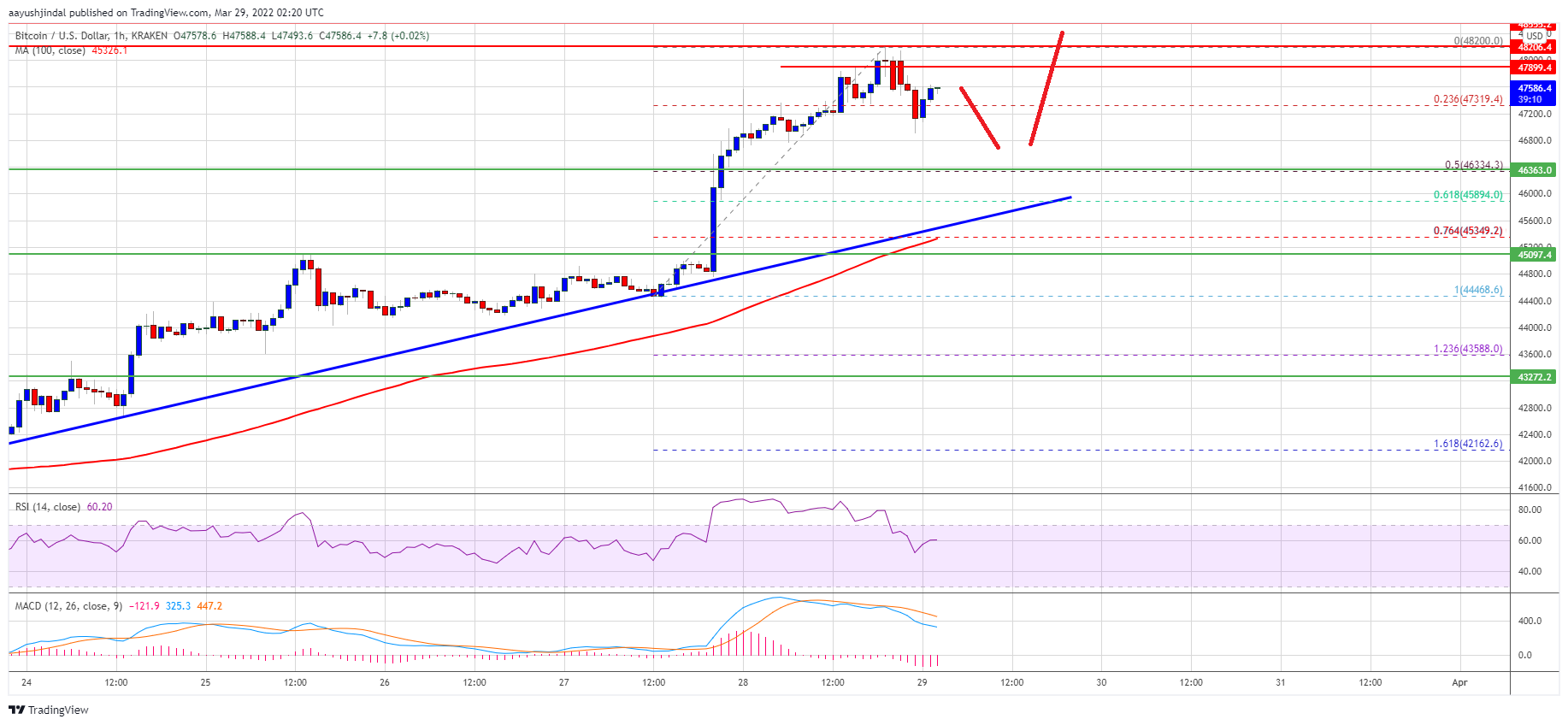
Bitcoin gained pace above the $47,000 resistance against the US Dollar. BTC is showing positive signs and might rally towards the $50,000 resistance zone.
Bitcoin saw a major technical breakout above the $45,500 resistance zone.
The price is trading above $46,500 and the 100 hourly simple moving average.
There is a crucial bullish trend line forming with support near $46,200 on the hourly chart of the BTC/USD pair (data feed from Kraken).
The pair could continue to rise and might trade towards the $50,000 resistance zone.
Bitcoin Price Breaks $48K
Bitcoin price remained strong above the $45,500 resistance zone. BTC started a fresh increase and was able to clear the $46,500 resistance zone.
The upward move gained pace above the $46,500 level and the price settled above the 100 hourly simple moving average. Finally, it spiked above the $48,000 level. A high was formed near $48,200 and the price is now consolidating gains.
There was a minor drop below the $48,000 level. Bitcoin traded below the 23.6% Fib retracement level of the upward move from the $44,470 swing low $48,200 high. Besides, there is a crucial bullish trend line forming with support near $46,200 on the hourly chart of the BTC/USD pair.
On the upside, the price is facing resistance near the $48,000 level. The next major resistance could be near the $48,200 zone. A successful break and close above the $48,200 level might push the price towards $49,000.
Source: BTCUSD on TradingView.com
The next major resistance could be near the $49,500 level. Any more gains could open the doors for a move towards the $50,000 level.
Dips Limited in BTC?
If bitcoin fails to clear the $48,200 resistance zone, it could start a downside correction. An immediate support on the downside is near the $47,000 zone.
The next major support is seen near the $46,350 level. It is near the 50% Fib retracement level of the upward move from the $44,470 swing low $48,200 high. The main support is near the $46,000 level and the trend line. A downside break below the $46,000 support zone could send the price to $45,000.
Technical indicators:
Hourly MACD – The MACD is slowly gaining pace in the bearish zone.
Hourly RSI (Relative Strength Index) – The RSI for BTC/USD is now above the 50 level.
Major Support Levels – $47,000, followed by $46,000.
Major Resistance Levels – $48,200, $49,000 and $50,000.
Bitcoin and many other cryptocurrencies are often referred to as pseudonymous. Everyone can view records on a public ledger, but not necessarily know who’s behind each address or transaction. But what does pseudonymity look like in practice? How are cryptocurrencies tracked? And can you really unmask someone on the blockchain? Let’s find out.
The public nature of blockchains allows for a certain degree of predictive analysis, enabling researchers to associate addresses and transactions with entities and sometimes individuals. Anybody can look at blockchain, but what makes a difference is the accurate interpretation of this public data, as well as corroborating it with other types of information gathered externally. Once combined such data can be used for blockchain analytics.
Blockchain analytics is widely used for market intelligence, trend analysis, and investigations, among many emerging spaces. The main objective of blockchain analytics is attribution — linking specific assets and events to particular entities or even individuals.
Attributing ownership, however, is often nuanced because outside observers can only infer it depending on factors such as availability and quality of the evidence. Evidence means proof that indeed an address belongs to an individual or entity. Unless you own an address yourself, it is very difficult to say with absolute certainty who an address is owned by. This is why it’s more fitting to consider blockchain analytics more of an art than science.
Let’s understand the basics of blockchain analytics and learn why attribution is often more complicated than it looks.
Attribution Basics
Can you tell what entity this address belongs to:
1JxXMEbYX6juuEK7QPe6CxGXywQ91ZB5mZ?
Is it an exchange? Is it a darknet market? Or maybe a private (otherwise known as an unhosted) wallet? To answer this question we need to dig for some ground truth.
1. Ground Truth Evidence
A search for truth often starts with plain googling or crowd-sourced sites like BitcoinAbuse.com:
Websites like BitcoinAbuse.com can be used by anyone to anonymously report BTC addresses linked to suspicious activity. Sadly, the reliability of such information can be very low. According to Blockchain.com, our address of interest received over 767 BTC. WalletExplorer.com implies this address is linked to a large offshore cryptocurrency exchange, which is corroborated by commercial blockchain analytics tools.
Indeed, commercial blockchain analytics tools identify this address as belonging to a large offshore cryptocurrency exchange.
So what about the nature of the activity? Is the exchange user involved in ransomware?
Further research connects this address to an exchanger called Coinguru.pw:
Coinguru allows users to swap between various cryptocurrencies, providing nothing more than an email address.
At this point you’re probably asking yourself: so who does this address belong to?
the BitcoinAbuse crowd-reported ransomware operator?
A large offshore cryptocurrency exchange?
Coinguru?
…all of the above?!
Well, the answer is complicated.
We have first-hand evidence of 1JxXMEbYX6juuEK7QPe6CxGXywQ91ZB5mZ being used by Coinguru, an exchange service operating an account on a large offshore cryptocurrency exchange. Exchangers like Coinguru often use bigger platforms’ infrastructure to reduce costs and get access to liquidity. We refer to these as nested services. These also cater to users who might not want to go to the trouble of creating their own accounts on an exchange. In fact, some nefarious actors may use these services to cash out of illicit funds.
For labeling purposes, it would suffice to say this is an exchange-owned address. If a regulator or a law enforcement agency investigating ransomware related transactions decides to enquire about the details, the cryptocurrency exchange will refer them to Coinguru who would be best positioned to provide further information on specific transactions.
2. Evidence quality and standard of proof
Evidence can vary in quality and blockchain analytics is no exception. Sometimes you might stumble upon a “smoking gun”, but it’s more likely you will need to spend time corroborating incomplete, circumstantial, fragmented or straight out misleading evidence. Nevertheless, even the weakest evidence can hint on a particular activity or entity behind it.
As we’ve already witnessed, crowd-reported sources such as BitcoinAbuse stand on the bottom of the reliability ladder. Not that they should be fully discounted, but evidence leading to attribution of crypto addresses is best gathered directly from the source. In the case of exchange services, the source would be their website displaying a deposit address.
The ultimate attribution comes from the ability to interact with the service, earning such evidence the highest confidence score. However, this is often prohibited, especially when investigating activities such as terror funding (TF). In cases like these, research shifts into the world of open source intelligence (OSINT). Much can be learned from aggregator websites, online forums, chat groups, mobile communication platforms, hidden domains on the Tor network and information scraping in an automated fashion by third party vendors. But even the best evidence is not helpful without proper investigative tools.
3. Deconflicting misattribution
Blockchain investigation tools include blockchain analytics software, private and open source databases, search engines, etc. The best investigative practice is to combine a mix of these tools, including commercially available software, and corroborate evidence using independent sources. Sometimes, however, those sources can offer conflicting information.
For instance, consider this address: 1N9SxKeNvFoBFuFKEDU8yFCwPwoeHqgmhu.
Imagine an investigator receiving intelligence linking this address to the sale of Child Sexual Abuse Material (CSAM). Attribution of this address will vary depending on which blockchain analytics tool you consult: some don’t have it labeled at all, while others attribute it to a merchant service. Open source research confirms this particular service allowed users to upload files and sell them for various cryptocurrencies. Addresses like the one above were generated for every user and were all connected to different types of activity, depending on what an individual user was buying.
While some uploads to this merchant service have been benign, some were identified as illicit, according to the Internet Watch Foundation (IWF), a non-profit combating the distribution of CSAM. Reportedly, the same merchant service was also used for ransomware decryptor key uploads. So, can the address of interest belong both to an illicit vendor and to the merchant service? Yes.
The correct way to attribute this service in a blockchain analytics tool would be to take all of the known addresses associated with the service and label them accordingly. Then, as a result of investigating individual addresses and their related activities, specific labels should be applied in accordance with documented findings. Labeling the whole service as illicit would be a misattribution. It can negatively impact tools and services that rely on blockchain analytics data, such as transaction monitoring systems or law enforcement subpoenas, leading to increased false positive alerts and erroneous leads.
4. The unknown unknowns
Back in October 2019, a medium article was published with a flashy title — “Huge Ethereum Mixer”. A Russian data scientist analyzed ETH flows between February and September 2017 claiming that “…68% of total Ethereum transaction value [is] controlled by one system… Funds come and leave within one hour, and addresses are never used again.” The researcher spent a great deal of effort analyzing the behavior of the “mixer”, its transaction patterns, and share of total transactions across Ethereum over time. At the center of the article was this diagram:
Notice how most large exchanges at the time are present: Kraken, Poloniex, Bitfinex, etc. Can you guess which one(s) are missing?
Hopefully, at this point it’s fairly evident that an external observer cannot possibly gain a full picture or claim 100% confidence in attribution. Keep in mind, when it comes to blockchain, everyone is an external observer, with the exception of addresses you control.
Stay tuned for the second part, where we’ll dive deeper into examples of how blockchain analytics can both enlighten and confuse.
Lorsque vous explorez les différentes options de jeux en ligne, Spin Million Casino se distingue par son offre exceptionnelle de bonus et de promotions. Les joueurs expérimentés apprécieront non seulement la diversité des jeux disponibles, mais également les opportunités de gains qui se présentent à eux. Par exemple, ce casino offre des bonus de bienvenue attractifs qui augmentent considérablement votre capital de jeu dès le départ.
En outre, les options de paris sont variées, allant des machines à sous aux jeux de table en passant par le live casino. Les amateurs de jeux de table trouveront des versions classiques comme le blackjack et la roulette, tandis que les fans de machines à sous pourront profiter de jeux avec des thèmes et des fonctionnalités innovantes. Les jackpots progressifs ajoutent une couche d'excitation supplémentaire, offrant des gains potentiels qui peuvent changer la vie.
Les plateformes de jeu comme Yonibet
Lorsque vous recherchez un casino en ligne fiable, Yonibet est une option à considérer sérieusement. Ce casino a su établir une réputation solide grâce à sa large gamme de jeux, y compris des options de paris sportifs et des machines à sous captivantes. Les bonus offerts sont également un point fort, permettant aux joueurs de maximiser leurs mises et d'explorer de nouveaux jeux sans risque.
De plus, la légalité de ce casino est un autre aspect crucial. Yonibet opère sous une licence respectée, garantissant que toutes les transactions et les jeux sont effectués en toute sécurité. Les joueurs peuvent donc se concentrer sur l'essentiel : profiter de l'expérience de jeu. Les fonctionnalités telles que le live casino permettent une immersion totale, avec des croupiers en direct et une interaction en temps réel qui enrichissent l'expérience.
Roobet Casino : une expérience de jeu unique
Pour ceux qui recherchent une expérience de jeu différente, Roobet Casino offre une plateforme innovante qui attire les joueurs du monde entier. L'interface conviviale et les jeux variés en font un lieu de divertissement idéal pour les parieurs avertis. Les bonus réguliers et les promotions spéciales renforcent l'engagement des joueurs, leur permettant de maximiser leur expérience.
Les options de paris sont étendues, avec une section de paris sportifs bien développée qui attire de nombreux passionnés. Les jeux de casino sont également bien représentés, avec des machines à sous excitantes et des jeux de table classiques. L'accent mis sur la sécurité et la légalité est primordial pour Roobet, ce qui permet aux joueurs de profiter de leurs sessions de jeu en toute tranquillité d'esprit.
Cashwin : le choix des joueurs avertis
Enfin, Cashwin se présente comme un choix incontournable pour les joueurs à la recherche de bonus généreux et d'une sélection de jeux de qualité. Avec une interface fluide et des options de paiement variées, ce casino s'efforce de fournir une expérience de jeu optimale. Les promotions régulières et les programmes de fidélité récompensent les joueurs, ajoutant une dimension supplémentaire à leur aventure de jeu.
Cashwin se démarque également par son engagement envers la légalité et la sécurité. Les joueurs peuvent être assurés que leurs informations personnelles et financières sont protégées. Que ce soit pour des paris sportifs ou des jeux de casino, Cashwin offre un environnement sécurisé où l'amusement et le potentiel de gains sont au rendez-vous.