[ad_1]
Over the years, the rise of blockchain and its
penetration into the financial sector has created all that is convenient to man. This includes streamlining payment systems to allow
easier and cheaper cross-border transactions and the rise of the
ever-popular and controversial cryptocurrency.
All industries across the globe are
experiencing the most drastic, exciting, and challenging innovation with the digitalization of the modern world and unstoppable technological advancements. These changes have been experienced in the financial sector.
Blockchain is an unstoppable force that will continue to
rock the entire financial industry and how we conduct business transactions in
the future. Many investors have sacrificed money in their high savings interest accounts
to trade cryptocurrency because of the significant returns. With the limitless possibilities of blockchain technology in finance,
here’s what we’re looking forward to in 2024:
Tokenization of Real-World Assets
Boston Consulting Group believes that less than ten years
from now, or by 2030, 10% of the global GDP will be held in tokenized illiquid assets valued at more than USD $16 trillion in the best-case scenario. This value can reach USD $68 trillion.
Illiquid assets, such as real estate, land, commodities,
natural resources, fine art, and private equity, pose challenges such as limited
affordability to investors, inability to fractionalize, exclusivity, and
regulatory issues. Once tokenized, illiquid assets can
be fractionally owned and are affordable to small-scale
investors, increasing their liquidity.
The launch of the Canton Network is a sign that the tokenization of the real economy has arrived. BCG predicts that by 2030, around $16 trillion worth of assets will be tokenized, most of which are illiquid. – via @Forbes https://t.co/njbX4Z6Wf5
— Boston Consulting Group (@BCG) June 8, 2023
Jim Pendergast, the Senior Vice President at altLINE Sobanco, mentioned: “This allows those rather ‘untradeable’ assets to become available to
interested parties worldwide, even without being able to actually touch or see
an asset, made through specifically defined smart contracts using asset or
token trading platforms.”
An example of this is four of Andy Warhol’s works being traded for a limited 1,000 tokenized lots each.
According to Volodymyr Shchegel, the VP of Engineering at
Clario: “Buying, selling, or trading tokenized assets is similar to stock
exchanges. However, the challenge with globally dealing with asset token
trading is that this practice is highly regulated, which can differ from
jurisdiction to jurisdiction and involves a great understanding of legal
requirements.”
Stablecoins
With cryptocurrency being the most popular arm of blockchain
in the financial sector, the volatility and instability of most
cryptocurrencies still deter many individuals from going all in (or going in at
all) in the crypto world. This is where stablecoins come into the picture.
Stablecoins are non-volatile cryptocurrencies, unlike most
types of cryptocurrencies
Cryptocurrencies
By using cryptography, virtual currencies, known as cryptocurrencies, are nearly counterfeit-proof digital currencies that are built on blockchain technology. Comprised of decentralized networks, blockchain technology is not overseen by a central authority.Therefore, cryptocurrencies function in a decentralized nature which theoretically makes them immune to government interference. The term, cryptocurrency derives from the origin of the encryption techniques that are employed to secure the netw
By using cryptography, virtual currencies, known as cryptocurrencies, are nearly counterfeit-proof digital currencies that are built on blockchain technology. Comprised of decentralized networks, blockchain technology is not overseen by a central authority.Therefore, cryptocurrencies function in a decentralized nature which theoretically makes them immune to government interference. The term, cryptocurrency derives from the origin of the encryption techniques that are employed to secure the netw
Read this Term, because they are often tied to assets like currencies
or commodities, making their value more ‘stable’ than the others.
Government agencies are hesitant and negative when it comes
to the conversation about the regulations of crypto assets. However, in 2024, the AICPA issued a reporting framework for stablecoins. This illustrates how
stablecoins are becoming more acceptable in the financial sector.
The time has come for the United States to lead the development of global rules that will determine how the U.S. dollar moves on the internet. If the dollar is going to remain the world’s reserve currency, then we need to build trust in digital dollars & regulate stablecoins… pic.twitter.com/ZYOZ5X3nXg
— Circle (@circle) July 13, 2023
Jerry Han, the CMO at PrizeRebel, stated: “A reporting framework for stablecoins will allow better
transparency and protection to token issuers, holders, regulators, and the
entire financial industry.”
Besides that, the stablecoin issuers in the EU will greatly benefit from
the recently passed comprehensive crypto regulation called MiCA or Markets in
Crypto Assets Regulation, the first major jurisdiction to introduce
comprehensive rules for crypto assets. MiCA outlines stablecoins as e-money
tokens tied to a fiat currency, and those stablecoins not tied to an EU
currency will be outright banned from having more than one million transactions
per day.
The Rise of dApps
We know of how DeFi, or decentralized finance,
operates—challenging traditional centralized banking and financial institutions
by eliminating the need for middlemen or brokers in loans and trading with the
help of blockchain and secure distributed ledgers.
According to Andrew Pierce, the CEO at LLC Attorney: “With
security and safety being most at stake when it comes to digital assets, dApps,
or decentralized applications, offer enhanced security and privacy
features—from data being stored in a decentralized network to advanced
cryptography.”
Unlocking the Potential: Exploring the Rise of Decentralized Applications (dApps) on the Bitcoin Network 🚀
A thread 🧵👇#dApps #bitcoin #dAppsbitcoin #decentralized #crypto #cryptocurrency #CryptocurrencyNews #blockchain #web3 pic.twitter.com/UvaQsnsRsd
— GeniusDAO (@DaoGenius) May 19, 2023
Sustainable Cryptocurrency
It is no secret how cryptocurrencies, especially Bitcoin,
have done irreversible damage to the environment. Despite the business and
financial sector benefiting from the rise of blockchain
Blockchain
Blockchain comprises a digital network of blocks with a comprehensive ledger of transactions made in a cryptocurrency such as Bitcoin or other altcoins.One of the signature features of blockchain is that it is maintained across more than one computer. The ledger can be public or private (permissioned.) In this sense, blockchain is immune to the manipulation of data making it not only open but verifiable. Because a blockchain is stored across a network of computers, it is very difficult to tampe
Blockchain comprises a digital network of blocks with a comprehensive ledger of transactions made in a cryptocurrency such as Bitcoin or other altcoins.One of the signature features of blockchain is that it is maintained across more than one computer. The ledger can be public or private (permissioned.) In this sense, blockchain is immune to the manipulation of data making it not only open but verifiable. Because a blockchain is stored across a network of computers, it is very difficult to tampe
Read this Term and crypto, scientists from the U.N. have reported the major impact of Bitcoin mining in increasing
carbon footprint, as well as water and land footprints.
Simply put, if Bitcoin were a country, it would have ranked
27th in the world in terms of energy consumption. Comparatively, it uses an equivalent of half the entire U.K.’s energy consumption. With the negative environmental impact of digital assets, the popularity of sustainable cryptocurrencies is growing
and will continue to grow in 2024.
Puneet Gogia, the Founder at Excel Champs, mentioned: “So many individuals
and businesses are finding joy in cryptocurrencies and how it has made such
massive breakthroughs, especially in the financial sector, not knowing that
these are the same things killing our planet.” He added: “We need
sustainability, even while keeping up with technology.”
#Bitcoin: Charging ahead, leaving traditional currencies in the dust as it blazes a trail towards a new era of digital finance and autonomy. 💨🔝 pic.twitter.com/E9J7E4U5u6
— Bitcoin (@Bitcoin) March 18, 2024
Examples of sustainable cryptocurrencies on the rise are:
- Green Bitcoin ($GBTC)
- Solana (SOL)
- IOTA
- Cardano
- eTukTuk
- Nano
Looking Forward: The Future of Blockchain in the Finance Industry
There’s no stopping blockchain from changing how the
financial sector, as well as the entire
industry, works and operates. With illiquid asset tokenization, the rise of
stablecoins, dApps, and sustainable cryptocurrency, blockchain is evolving and
transforming a new era in finance that focuses on peer-to-peer transactions.
With the ever-expanding and endless possibilities of DeFi in
the financial blockchain, 2024 is going to be a year where blockchain is going
to be more widely accepted and regulated, paving the way for safer and more
transparent digital asset trading and exchange.
Over the years, the rise of blockchain and its
penetration into the financial sector has created all that is convenient to man. This includes streamlining payment systems to allow
easier and cheaper cross-border transactions and the rise of the
ever-popular and controversial cryptocurrency.
All industries across the globe are
experiencing the most drastic, exciting, and challenging innovation with the digitalization of the modern world and unstoppable technological advancements. These changes have been experienced in the financial sector.
Blockchain is an unstoppable force that will continue to
rock the entire financial industry and how we conduct business transactions in
the future. Many investors have sacrificed money in their high savings interest accounts
to trade cryptocurrency because of the significant returns. With the limitless possibilities of blockchain technology in finance,
here’s what we’re looking forward to in 2024:
Tokenization of Real-World Assets
Boston Consulting Group believes that less than ten years
from now, or by 2030, 10% of the global GDP will be held in tokenized illiquid assets valued at more than USD $16 trillion in the best-case scenario. This value can reach USD $68 trillion.
Illiquid assets, such as real estate, land, commodities,
natural resources, fine art, and private equity, pose challenges such as limited
affordability to investors, inability to fractionalize, exclusivity, and
regulatory issues. Once tokenized, illiquid assets can
be fractionally owned and are affordable to small-scale
investors, increasing their liquidity.
The launch of the Canton Network is a sign that the tokenization of the real economy has arrived. BCG predicts that by 2030, around $16 trillion worth of assets will be tokenized, most of which are illiquid. – via @Forbes https://t.co/njbX4Z6Wf5
— Boston Consulting Group (@BCG) June 8, 2023
Jim Pendergast, the Senior Vice President at altLINE Sobanco, mentioned: “This allows those rather ‘untradeable’ assets to become available to
interested parties worldwide, even without being able to actually touch or see
an asset, made through specifically defined smart contracts using asset or
token trading platforms.”
An example of this is four of Andy Warhol’s works being traded for a limited 1,000 tokenized lots each.
According to Volodymyr Shchegel, the VP of Engineering at
Clario: “Buying, selling, or trading tokenized assets is similar to stock
exchanges. However, the challenge with globally dealing with asset token
trading is that this practice is highly regulated, which can differ from
jurisdiction to jurisdiction and involves a great understanding of legal
requirements.”
Stablecoins
With cryptocurrency being the most popular arm of blockchain
in the financial sector, the volatility and instability of most
cryptocurrencies still deter many individuals from going all in (or going in at
all) in the crypto world. This is where stablecoins come into the picture.
Stablecoins are non-volatile cryptocurrencies, unlike most
types of cryptocurrencies
Cryptocurrencies
By using cryptography, virtual currencies, known as cryptocurrencies, are nearly counterfeit-proof digital currencies that are built on blockchain technology. Comprised of decentralized networks, blockchain technology is not overseen by a central authority.Therefore, cryptocurrencies function in a decentralized nature which theoretically makes them immune to government interference. The term, cryptocurrency derives from the origin of the encryption techniques that are employed to secure the netw
By using cryptography, virtual currencies, known as cryptocurrencies, are nearly counterfeit-proof digital currencies that are built on blockchain technology. Comprised of decentralized networks, blockchain technology is not overseen by a central authority.Therefore, cryptocurrencies function in a decentralized nature which theoretically makes them immune to government interference. The term, cryptocurrency derives from the origin of the encryption techniques that are employed to secure the netw
Read this Term, because they are often tied to assets like currencies
or commodities, making their value more ‘stable’ than the others.
Government agencies are hesitant and negative when it comes
to the conversation about the regulations of crypto assets. However, in 2024, the AICPA issued a reporting framework for stablecoins. This illustrates how
stablecoins are becoming more acceptable in the financial sector.
The time has come for the United States to lead the development of global rules that will determine how the U.S. dollar moves on the internet. If the dollar is going to remain the world’s reserve currency, then we need to build trust in digital dollars & regulate stablecoins… pic.twitter.com/ZYOZ5X3nXg
— Circle (@circle) July 13, 2023
Jerry Han, the CMO at PrizeRebel, stated: “A reporting framework for stablecoins will allow better
transparency and protection to token issuers, holders, regulators, and the
entire financial industry.”
Besides that, the stablecoin issuers in the EU will greatly benefit from
the recently passed comprehensive crypto regulation called MiCA or Markets in
Crypto Assets Regulation, the first major jurisdiction to introduce
comprehensive rules for crypto assets. MiCA outlines stablecoins as e-money
tokens tied to a fiat currency, and those stablecoins not tied to an EU
currency will be outright banned from having more than one million transactions
per day.
The Rise of dApps
We know of how DeFi, or decentralized finance,
operates—challenging traditional centralized banking and financial institutions
by eliminating the need for middlemen or brokers in loans and trading with the
help of blockchain and secure distributed ledgers.
According to Andrew Pierce, the CEO at LLC Attorney: “With
security and safety being most at stake when it comes to digital assets, dApps,
or decentralized applications, offer enhanced security and privacy
features—from data being stored in a decentralized network to advanced
cryptography.”
Unlocking the Potential: Exploring the Rise of Decentralized Applications (dApps) on the Bitcoin Network 🚀
A thread 🧵👇#dApps #bitcoin #dAppsbitcoin #decentralized #crypto #cryptocurrency #CryptocurrencyNews #blockchain #web3 pic.twitter.com/UvaQsnsRsd
— GeniusDAO (@DaoGenius) May 19, 2023
Sustainable Cryptocurrency
It is no secret how cryptocurrencies, especially Bitcoin,
have done irreversible damage to the environment. Despite the business and
financial sector benefiting from the rise of blockchain
Blockchain
Blockchain comprises a digital network of blocks with a comprehensive ledger of transactions made in a cryptocurrency such as Bitcoin or other altcoins.One of the signature features of blockchain is that it is maintained across more than one computer. The ledger can be public or private (permissioned.) In this sense, blockchain is immune to the manipulation of data making it not only open but verifiable. Because a blockchain is stored across a network of computers, it is very difficult to tampe
Blockchain comprises a digital network of blocks with a comprehensive ledger of transactions made in a cryptocurrency such as Bitcoin or other altcoins.One of the signature features of blockchain is that it is maintained across more than one computer. The ledger can be public or private (permissioned.) In this sense, blockchain is immune to the manipulation of data making it not only open but verifiable. Because a blockchain is stored across a network of computers, it is very difficult to tampe
Read this Term and crypto, scientists from the U.N. have reported the major impact of Bitcoin mining in increasing
carbon footprint, as well as water and land footprints.
Simply put, if Bitcoin were a country, it would have ranked
27th in the world in terms of energy consumption. Comparatively, it uses an equivalent of half the entire U.K.’s energy consumption. With the negative environmental impact of digital assets, the popularity of sustainable cryptocurrencies is growing
and will continue to grow in 2024.
Puneet Gogia, the Founder at Excel Champs, mentioned: “So many individuals
and businesses are finding joy in cryptocurrencies and how it has made such
massive breakthroughs, especially in the financial sector, not knowing that
these are the same things killing our planet.” He added: “We need
sustainability, even while keeping up with technology.”
#Bitcoin: Charging ahead, leaving traditional currencies in the dust as it blazes a trail towards a new era of digital finance and autonomy. 💨🔝 pic.twitter.com/E9J7E4U5u6
— Bitcoin (@Bitcoin) March 18, 2024
Examples of sustainable cryptocurrencies on the rise are:
- Green Bitcoin ($GBTC)
- Solana (SOL)
- IOTA
- Cardano
- eTukTuk
- Nano
Looking Forward: The Future of Blockchain in the Finance Industry
There’s no stopping blockchain from changing how the
financial sector, as well as the entire
industry, works and operates. With illiquid asset tokenization, the rise of
stablecoins, dApps, and sustainable cryptocurrency, blockchain is evolving and
transforming a new era in finance that focuses on peer-to-peer transactions.
With the ever-expanding and endless possibilities of DeFi in
the financial blockchain, 2024 is going to be a year where blockchain is going
to be more widely accepted and regulated, paving the way for safer and more
transparent digital asset trading and exchange.
[ad_2]
Source link
 Tether, the USDT stablecoin issuer, announced on April 1 that it had completed the System and Organization Controls (SOC) 2 Type 1 Audit, the highest level of security compliance achievable. Tether stated that the audit’s completion demonstrates the robust information technology control measures it has in place, ensuring the safety of its systems. Gold Standard […]




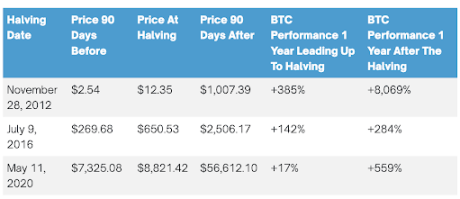

 In March, bitcoin miners amassed an unprecedented level of revenue not seen in the previous 12 months, hitting a high of $2.01 billion from rewards and transfer fees. Of this total, $85.81 million was earned from transaction fees over the past month. Historic Month for Bitcoin Miners — Income Peaks at $2 Billion As we […]

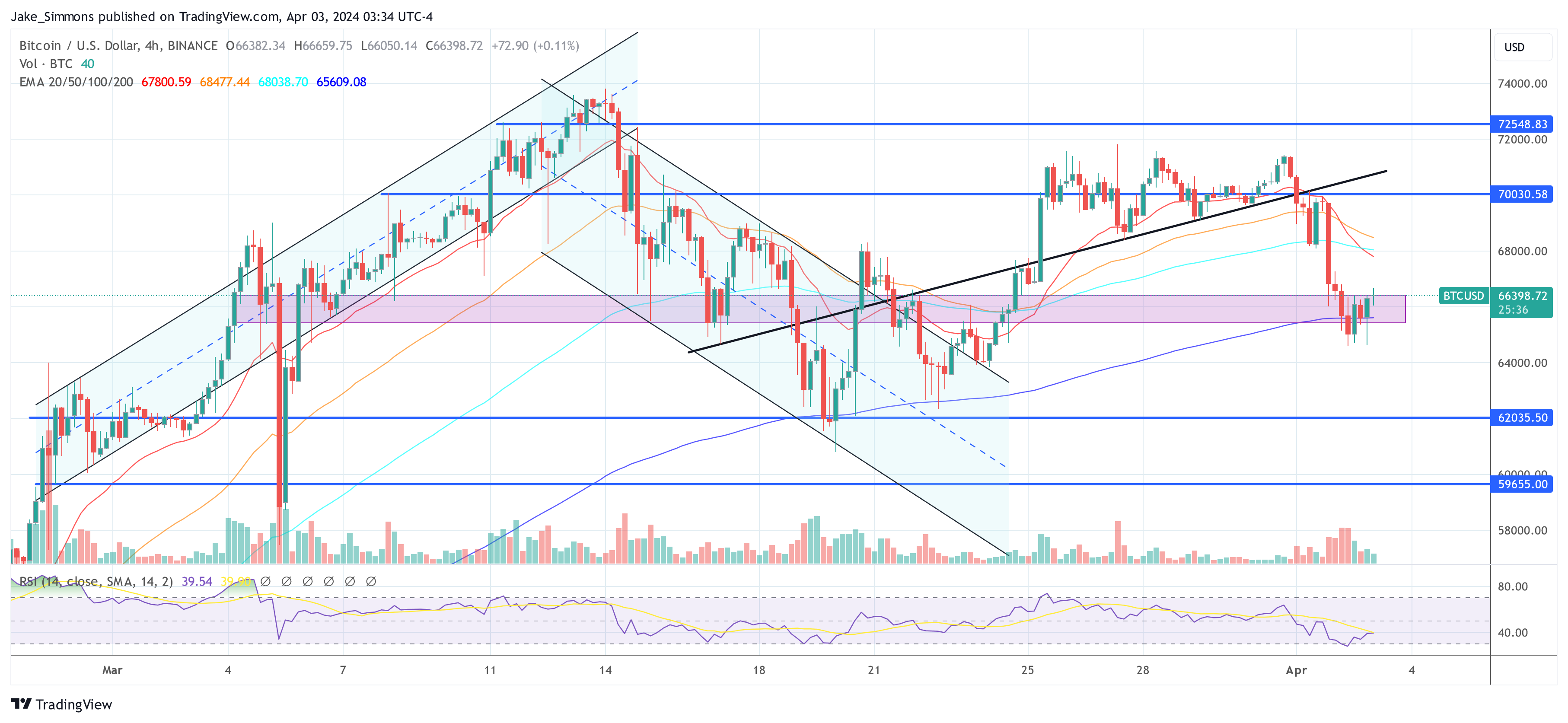
 On March 29, 2024, with a trading price of $70,075, and oscillating within a 24-hour range of $68,362 to $71,754, bitcoin’s current market behavior reveals significant consolidation and neutrality. Bitcoin Bitcoin’s 1-hour chart reveals recent volatility, with a significant bounce from a low of approximately $68,362, suggesting a strong support level. Conversely, the resistance near […]